Published on:
•
Last Updated:
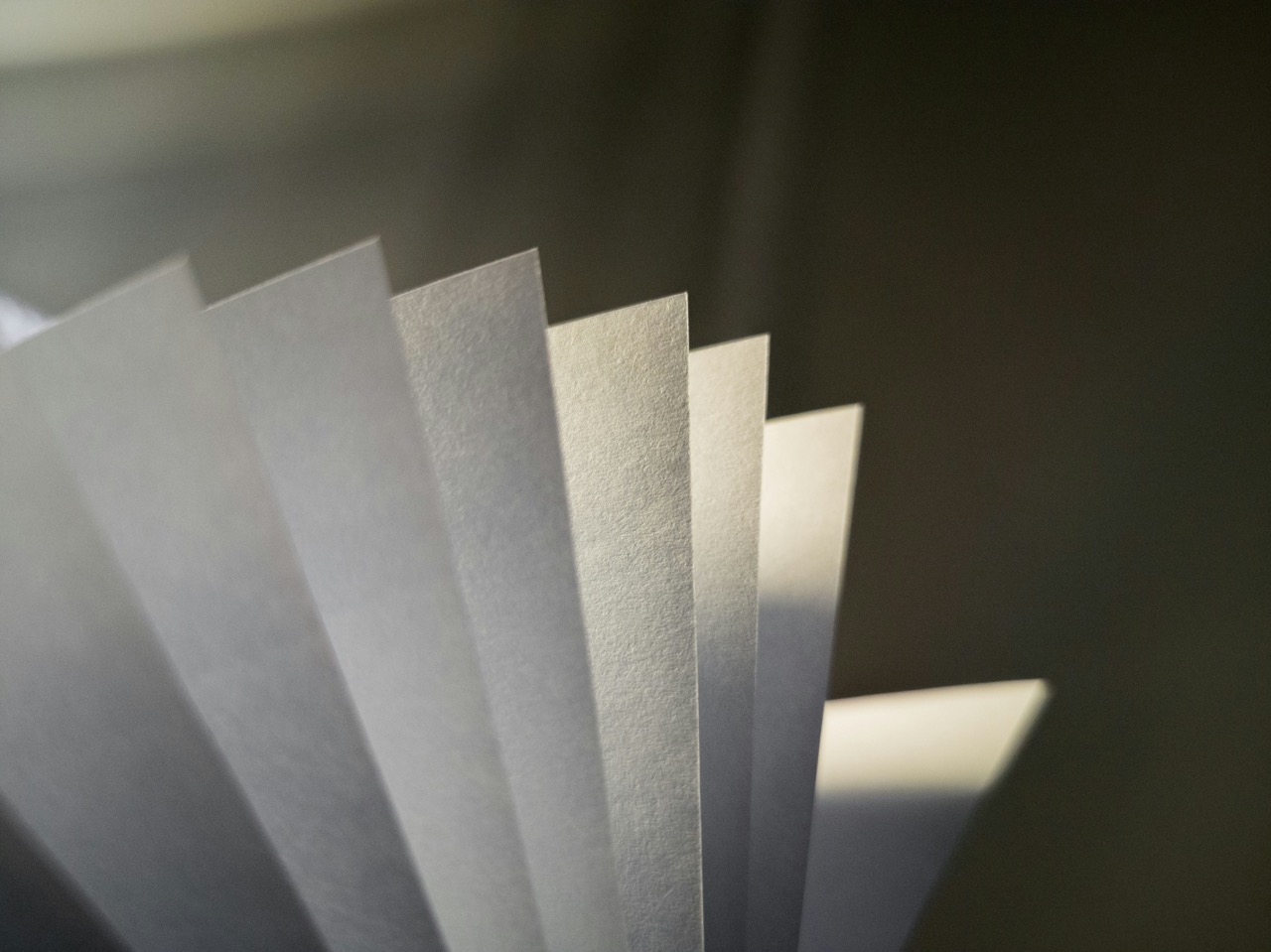
A sustainable printing process is made up of a collection of different elements, each working to ensure the best print quality with the least impact on the environment. From limiting print waste in the drafting stages of your book to chatting to your printer about their sustainability initiatives and how they’re implemented, one of the easiest decisions you can make in ensuring you’re printing your book with a smaller carbon footprint is opting for recycled paper. Thanks to modern technology and years of experimentation, recycled paper is no longer a runner-up to virgin fibre paper - it’s a high-quality, cost-effective and environmentally-minded option that puts your printing where your morals are. But how is recycled paper actually made? Let’s dive into this fascinating process.
What Makes Recycled Paper More Sustainable?
While you know that recycled paper is made up of previously-used paper fibres - it’s right there in the name! - what you may not know is that there’s plenty more to recycled paper than just shredding up old paper sheets and sticking them back together. Despite concerns for the environment only escalating in the last 60 or so years, the intricate process of reimagining preloved paper is actually a system as old as paper itself. The Egyptians were known to remove ink from old papyrus documents in order to reuse and write on them again, and in 1690 the first ever paper recycling plant was opened in America’s Germantown.
Now, after years of refining and reinventing, the process of recycling paper has been modernised to the point in which recycled paper is a worthy counterpart to virgin fibre (brand-new) paper. The process isn’t just a sustainable one thanks to making use of paper materials that are already in use, which limits the amount of trees being cut down for wood chips and the environmental impacts of that process, but also because using recycled fibres from old paper saves energy in the long-run. With less raw materials needing to be prepared in the creation process of paper - as well as the amount of energy it takes to pulp recycled paper products compared to wood chips being lower - recycled paper doesn’t just lower a printer’s carbon footprint because of the paper itself already being in rotation, but it also allows less energy to be used in actually making the recycled paper.
How The Recycled Paper Process Works In Australia
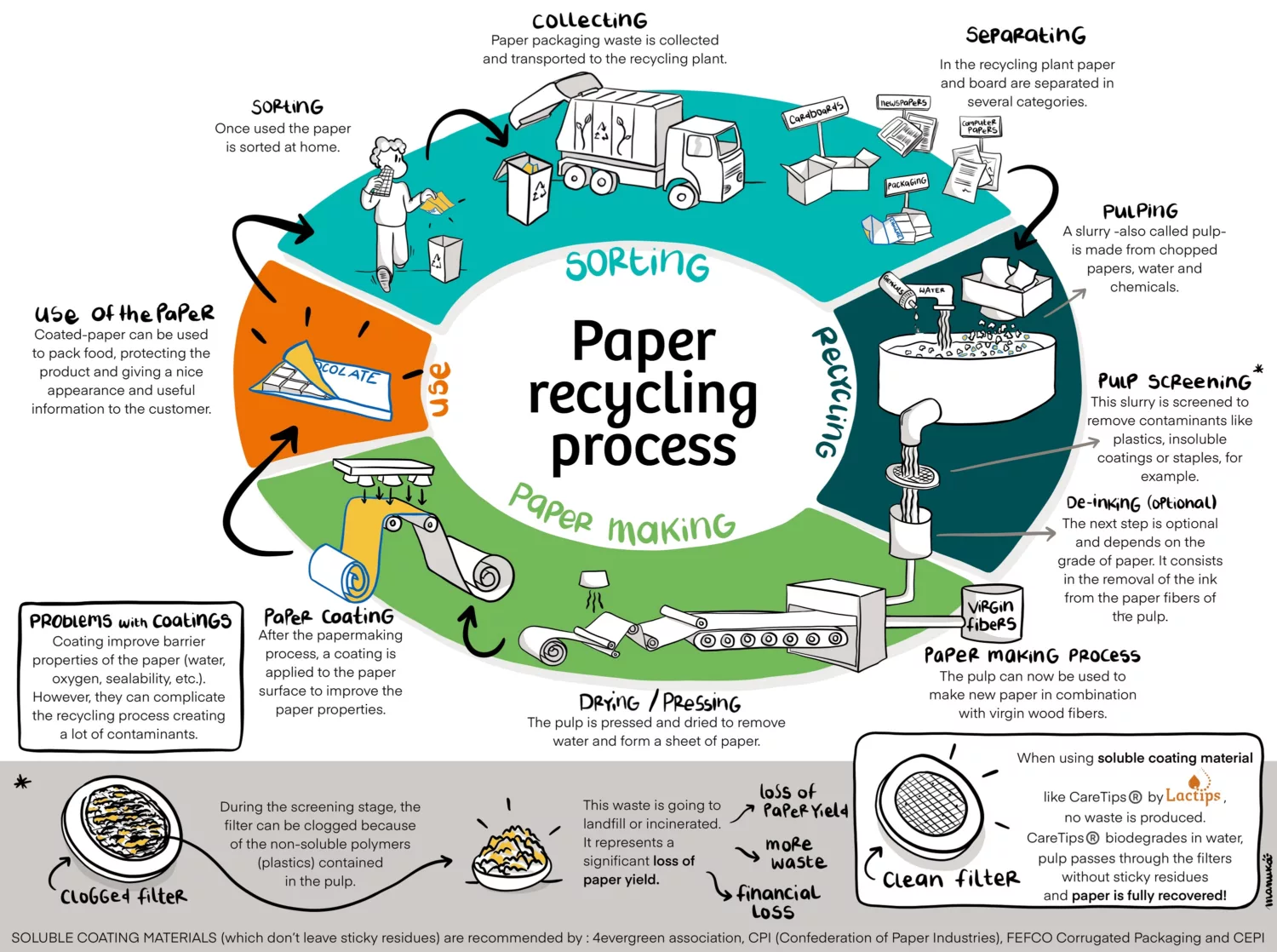
When it comes to Australian recycled paper, the recycling process includes ten key steps, according to the Australian Council of Recycling (ACOR). First up, the paper is sorted and graded by quality in a material recovery facility (MRF) using classifications based on weight, colour, usage and raw materials. Then, the pulp is prepared by combining recovered paper with water in a pulper to help separate the fibres in the paper sheets, producing a pulp slurry.
Next, the pulp slurry is cleaned of contaminates - such as clay, metals and glue, then filtered through a screener. After the screening process, the pulp is de-inked through washing or floatations, removing the ink from the fibre. Next comes the bleaching step, which is a vital part of the process in manufacturing white paper, bleaching the colours out and leaving the paper bright and clean.
Forming comes next, which means a large volume of water is mixed into the pulp slurry that then is distributed onto a fast-moving screen for drainage - this is when the fibres start to create a kind of weak paper sheet. Then, the paper goes through the pressing process which sees the paper pressed between rollers that squeeze out any water left over, which adds up to about half of the paper’s water content.
Finally, heat is applied to the paper in the drying process, reducing around a further 10% of water content. And, voila! - your recycled paper is ready to be fed through the printer to create your next project.
How To Ensure Your Paper Type Is A Sustainable One
If you’re new to the paper game, you might find that there’s a lot of jargon and technical specifications thrown around in discussions of recycled paper. However, there are a few simple things to keep in mind when selecting the paper type for printing your book to ensure that the choice is one that will benefit both your work and the environment.
Paper materials that have been given an environmental certification is one of the easiest ways to narrow down your choice of sustainable paper selection. Badges like FSC (Forest Stewardship Council) and PEFC (Programme for the Endorsement of Forest Certification) are both helpful identifications to differentiate the do-gooders from the green-washers. These labels are akin to stamps of environmental approvals that will ensure the printing process of your book is a sustainable one. You can also keep an eye out for the Certified Carbon Neutral badge, meaning that the environmental impact of the energy used to recycle and create your paper has been offset through a verified carbon reduction program, ensuring that the paper is a carbon-neutral product.
At FolioFox, we go to great lengths to make sure that our recycled paper is first and foremost keeping the environment front of mind. Not only is our recycled paper made up of 100% recycled fibres from post-consumer waste, but it’s also FSC Recycled Certified (C010628), uses responsible forestry practices, and is free of harmful acids. Plus, the quality speaks for itself - our recycled uncoated paper is designed for great printability, brightness, and boasts an equal durability to virgin fibre papers. Think of it like a smooth, bright white paper alternative to virgin paper types, with exceptional bulk and opacity.
Offering our customers the choice of utilising recycled paper in their printing isn’t the only measure we take in ensuring FolioFox’s environmental impact is as low as possible, we also make sure that any paper waste that is produced by our printing process can make its way back to the beginning, ready to be recycled and used all over again. Once a book is printed, it’ll go through our guillotine station where it is trimmed and cut, creating paper offcuts. Instead of sending this paper waste to landfill, we’ve partnered with an Australian family-owned paper recycling business with over 25 years of recycling experience under their belts. We also have a similar relationship with our inkjet printer suppliers. Because we only use non-hazardous ink in our printing processes, we’re able to send our empty bottles off to be recycled so they too can be granted a second life.
Understanding how recycled paper is made is just the tip of the iceberg in ensuring that printing your book is as sustainable a process as possible. The more you know about these industry functions, the better equipped you are in limiting your environmental impact in your own book printing. Here at FolioFox, we want to ensure that you know as much as possible about the mechanisms that can make printing more sustainable so that we can produce the highest quality printed books for you at the lowest cost of impact for the environment. That way, everyone wins.
To learn more about our sustainable book printing services and get started on your printing journey, get in touch with our team today. We're here to help you navigate the evolving world of printing with confidence.