Published on:
•
Last Updated:
When it comes to deciding whether your project could benefit from marketing materials that are designed and printed as either a brochure or a booklet, there are a range of factors to consider. From event programs and product booklets to step-by-step guides and newsletter flyers, we take a closer look at the types of forms brochures and booklets can take, as well as the differences between these two types of printed marketing materials.
What Is A Booklet?
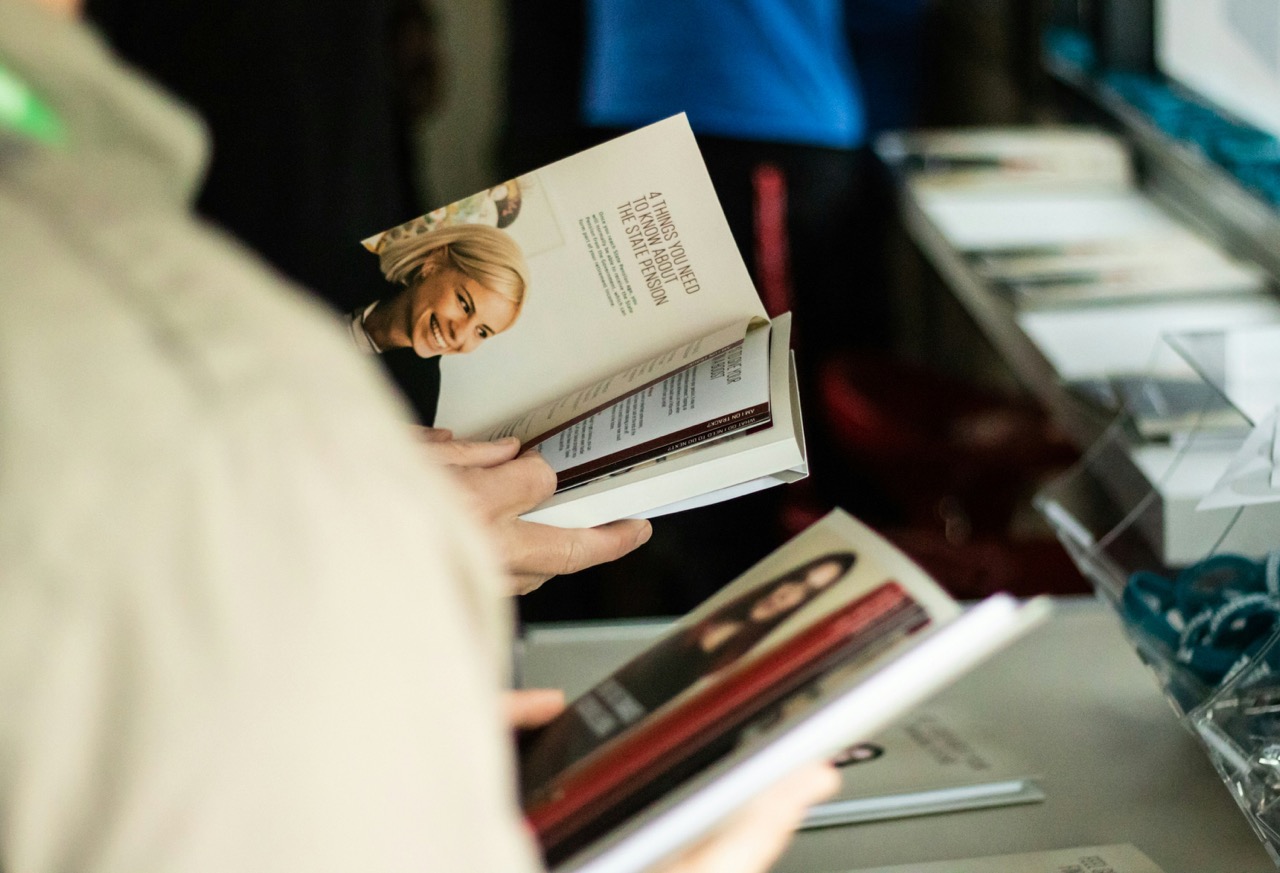
In terms of length, a booklet normally falls between a brochure and a catalogue - it contains more pages with detailed information and photographs than the average brochure, but less bulk than a full catalogue requires. This versatile marketing tool can showcase your product, service or information in an organised, professional format, and can be used effectively for promotional purposes. What should be front of mind when printing a booklet as a piece of marketing material is accessibility and visual impact, as well as cost-effectiveness, making it an affordable means of informing your audience or client through a detailed document.
The most popular print sizes of a booklet are A5 and A6, although a booklet can be printed in a custom size if you have something specific in mind to meet your project’s needs. At FolioFox, we recommend booklets to be printed in colour for visual effectiveness - especially if they contain images or graphics - using a silk or uncoated paper finish with a weight of 200 to 300gsm for the cover and 100 to 150gsm for the internal pages. Both saddle-stitch and PUR perfect binding methods can be used to craft your booklet, however you’ll find that saddle-stitch is the traditional and most cost-effective method of binding a book of this size.
Examples of types of booklets
Think of a booklet as exactly that: a small version of a book but with fewer pages, something that you can comfortably hold in your hands while also delivering a range of information covering a specific brand, event, collection, product or idea.
- Product guides
- Instruction manuals
- Reference materials
- Event program
- Business service overview
- Staff handbook
- School workbook
What Is A Brochure?
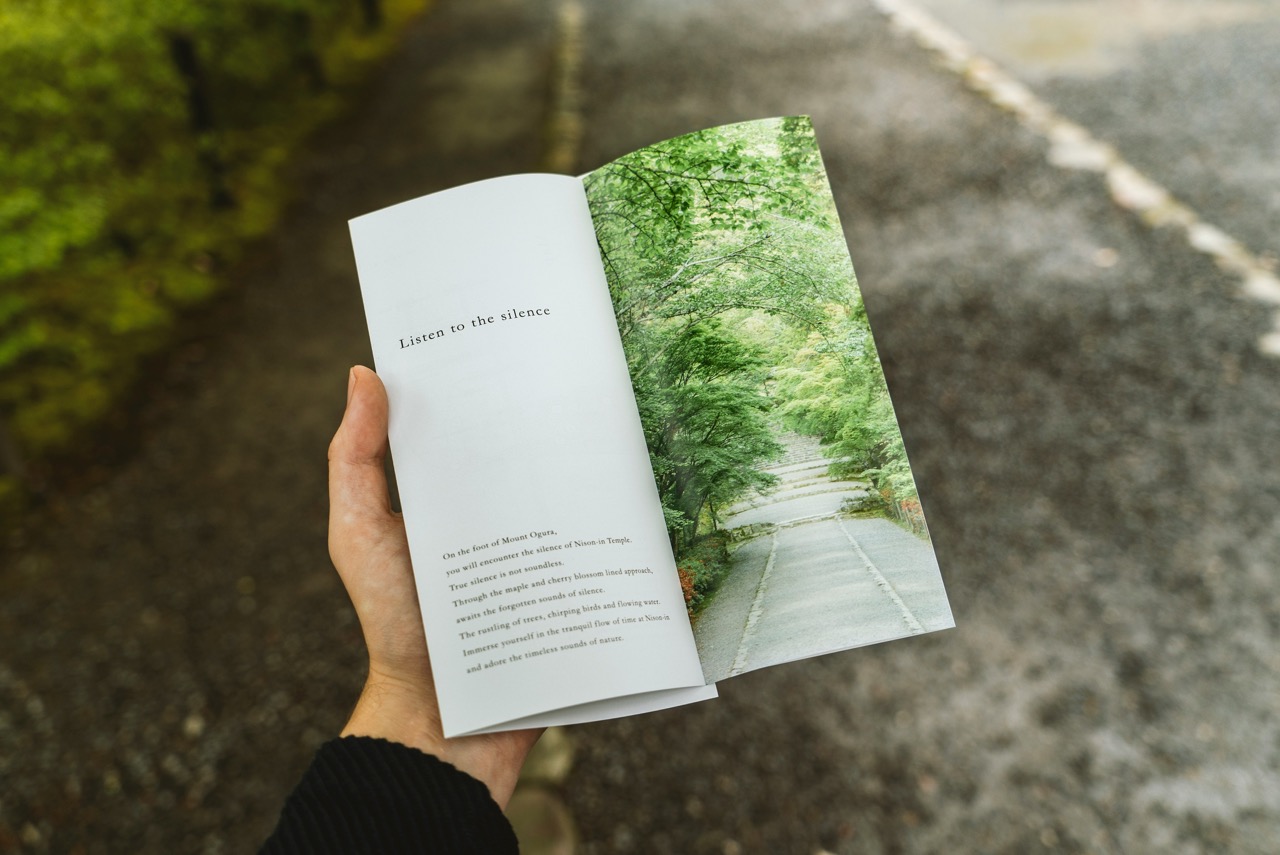
On the other hand, a brochure is a piece of marketing material that is typically used as a tool to give its reader a brief idea of its message while packing a punch with clarity and impact. Brochures don’t normally go into too much detail - their advantage is their clear communication over a tighter amount of space.
The biggest difference between a brochure and a booklet is in their corresponding shapes. While booklets are printed and binded into a book-like format, brochures don’t utilise any binding method. Instead, they are folded, and can come in a range of different fold configurations. Brochures can appear in formats like a single-page, a half-fold (folding a single page in half), a tri-fold (a single page folded twice into the centre to create six panels), a Z-fold (a single page folded twice to create six panels, but the folds move in different directions to create a zigzag), an accordion fold (a single page folded four or five times to create a Z-fold-like brochure, creating eight or ten panels) or a gate-fold (a single page folded twice into the centre to create six panels - like a tri-fold - only the outside panels measure one half of the size of the centre panel).
Popular print sizes for brochures include A4, A5 and DL. We recommend printing your brochure in colour for the most effective visual impact on your reader, using a gloss or silk paper type with a matt or gloss laminate finish to really make the colours pop. The recommended paper weight is between 150 and 300gsm. You’ll find that brochures tend to be on the cheaper side when compared to booklet printing, making them a great option for printing marketing materials that need to fit into a smaller budget.
Examples of types of brochures
Think of a brochure as something you might hand out to clients or customers that they can scan their eyes over quickly and pick up on the relevant information, whereas a booklet may require a closer reading and a longer time spent with it in order to absorb what’s inside.
- Announcements
- Newsletter
- Event flyer
- Sale promotion
- Product price reference
- Step-by-step guide
- Basic information explanation
Now that you know the difference between a printed booklet and brochure, as well as the types of projects that are suited to both, it’s time to start crafting your own printed marketing materials!
To learn more about our brochure and booklet printing services, get in touch with our team today. We're here to help you navigate the evolving world of book printing with confidence.