
Published on:
•
Last Updated:
In our current media landscape of algorithms and infinite feeds where you can find just about anything you need or want on the internet and read it for free, a surprising trend is taking place. Magazines may have come alive in their golden age of the mid 20th century through to the ‘90s, but their reign as a popular medium for reading is far from over. Interestingly, plenty of magazine titles are still printing physical copies, despite competing with the digital world of social media and online publications. Even more interestingly, many new magazines in the publishing space are opting to get their foot in the industry door via printed publications. Let’s take a look at why print is still such a favoured medium in the magazine landscape.
Magazine Readership Is Healthier Than You Think
According to a Roy Morgan Australian Readership report for the 12 months to March 2026, over 14.4 million Australians aged 14 and above (representing 62.1 per cent of the population) engaged with magazines either in print or online. Furthermore, the report indicates that nearly 10.8 million Australians (46.5 per cent of the population) read print magazines. These numbers, according to Mi3, are “defying years of decline as lifestyle, food and women’s titles continue pulling mass audiences and growing advertiser appeal.”
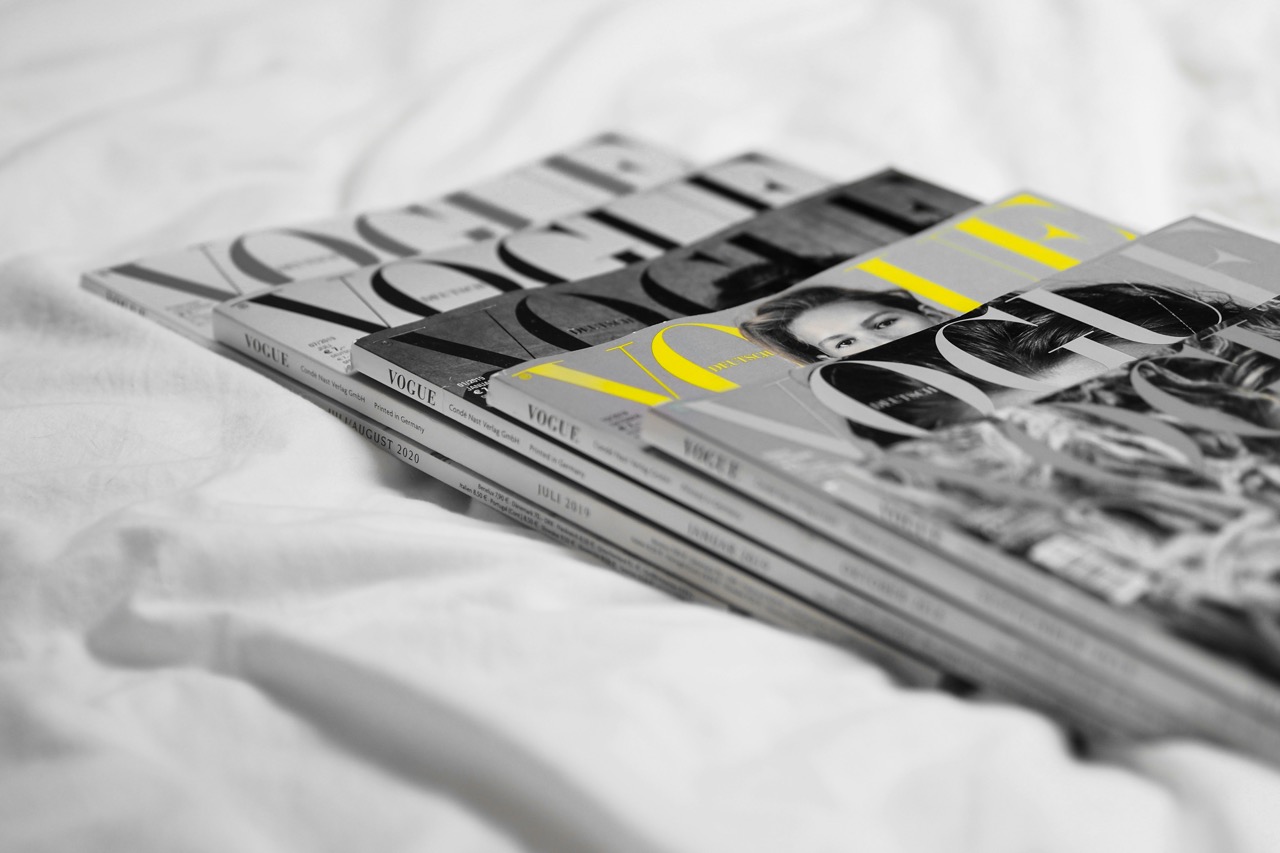
The uptick in readership numbers across a variety of publications (including The Australian Women’s Weekly, Australian Geographic, House & Garden, Vogue Australia, Big Issue, Australian Gourmet Traveller and more) is proving that the state of contemporary print magazines isn’t just healthy, it’s thriving.
How Print Magazines Turn The Volume Down On Digital Noise
It’s no secret that in our current day and age, our phones are part of our daily lives. Between work emails and navigation directions, family group chats and a scrolling feed filled with endless opportunities for dopamine, we’re carrying around tiny digital boxes full of distractions in our pockets - all day, every day. While for a moment during the rise of social media, magazines were thought to be on their way out of being a preferred medium of entertainment, now they couldn’t be thought of as any less than a saving grace to the immense volume of digital noise we’re subjected to all of the time.
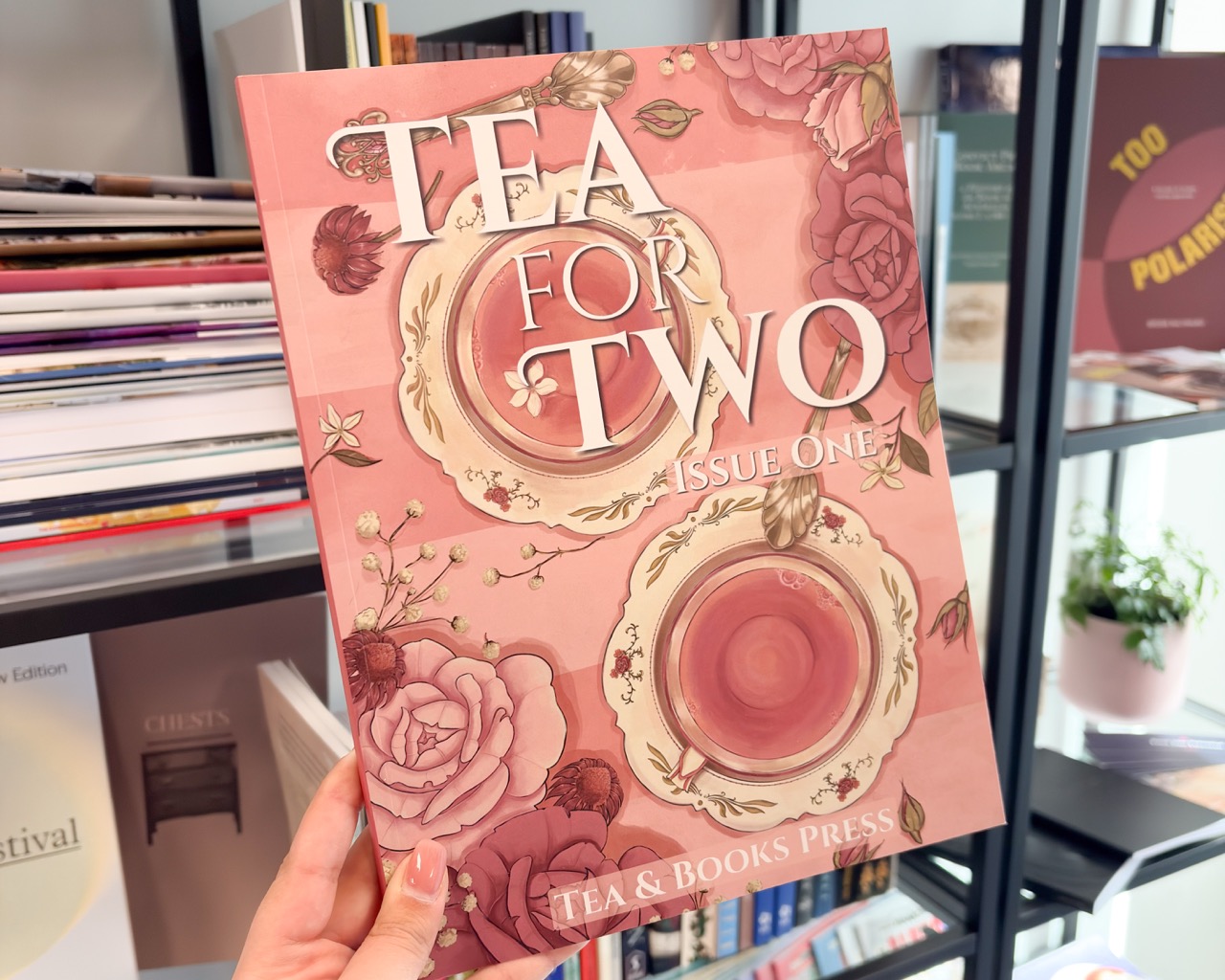
From glossy fashion magazines like ELLE and Harper’s Bazaar to indie publications like Fabled, Tea for Two and Demure Magazine, there is a noticeable trend that is being practiced by both legacy titles returning to shelves and new publications starting out in physical format: these magazines are offering their readers the chance to buy them in print. In a world of social media, why is this happening? Well, the very answer may lie in the very question itself.
Digital fatigue is prompting many media consumers to turn away from their phones and computers. Explained by Hunter Psychological as “the mental exhaustion caused by constant exposure to digital devices and the never-ending stream of notifications, alerts and screen-based multitasking,” digital fatigue is resulting in readers looking elsewhere for their news, gossip, art, stories and entertainment. Enter: physical magazines. Without an onslaught of notifications every time you begin an article or flick through pretty pages, the alternative of picking up a magazine as opposed to a phone is offering people a reprieve from the digital noise and distractions of our online spaces. By substituting this passive consumption with focused media engagement, magazines provide a breath of fresh air in a tired digital world.
Magazines Aren’t Just Publications, They’re Keepsakes
The emotive response of a tangible product is a trend that has been making itself known in the self-published book printing space for some time now. From sprayed edge special editions to embellished front covers of exclusive releases, indie authors have been quick to identify readers’ appetites for a physical product that isn’t just to have and to hold, but to keep and to treasure long after the story is over. Now, that same desire for a physical keepsake that reflects personal taste and reading habits is making its way to the magazine world.
Analog media consumption is one of the most important trends to pay attention to, whether you’re working in the indie book or magazine industry. Readers are wanting to invest less in media experiences that are disposable, like scrolling through videos on their phones, and instead invest in the full immersion of a publication’s world. This extends beyond the words and images that fill the publication - magazines aren’t just something to read anymore, they’re something to collect, display, cut up and re-purpose.
Where once magazines were one of the limited avenues to consume stories and images from a media organisation, now their role is shifting. Magazines aren’t the arbiter of media - they’re signifiers of experience, taste and aesthetics. Maybe you’ve noticed a new magazine come onto the market with a hardcover-bound, thick, coffee table-like book, as opposed to a softcover collection of glossy pages. This is because magazine publishers and printers are well aware of how their products are being used to decorate homes, be accessories to visual curation, and be cared for and looked after as a forever treasure, not just a monthly edition. Magazines aren’t just bought to be read anymore, they’re bought to be collected.
The Credibility Of Print In A World Of AI Slop
As artificial intelligence is taking over more and more of the internet landscape - whether it be through fake headlines inciting fear and clicks or unreal imagery from strangers flooding your social media feeds - there’s never been a better time for magazines to offer readers a source of professional credibility, stability and trust.
Research emphasises how a printed publication increases the perception of journalistic quality. There’s more to printing a magazine than just clicking “post” on your phone. Teams of experts, from journalists and researchers to proofreaders and fact-checkers, work tirelessly on a printed publication before it reaches its readers - because no mistakes can be edited once the publication has made its way through a printer and out into the world. Magazine consumers understand this, and understand the high quality of integrity in the writing, visuals and construction that goes into making the parcel of pages they hold in their hands. In a time of AI slop and unreliable news sources taking over social media feeds, the permanency and tangibility of a printed magazine is becoming a figure of trust, credibility and respect.
Whether you’re just starting out in the magazine world and are wondering whether to print your own or you’re curious about jumping back into the printed magazine landscape, it’s perhaps a better time than ever to turn your digital work into a printed parcel. Magazines are far from dead, and there are plenty of success stories in our contemporary magazine market to prove it.
To learn more about our magazine printing services, get in touch with our team at FolioFox today. We're here to help you navigate the evolving world of magazine printing with confidence.