
Published on:
•
Last Updated:
If you're publishing a novel or retail book, making your book available to buy on shelves is often half the battle of successfully sharing your story with readers. The other half is marketing your book so that readers are aware that it exists and will happily grab a copy when it's out in the world.
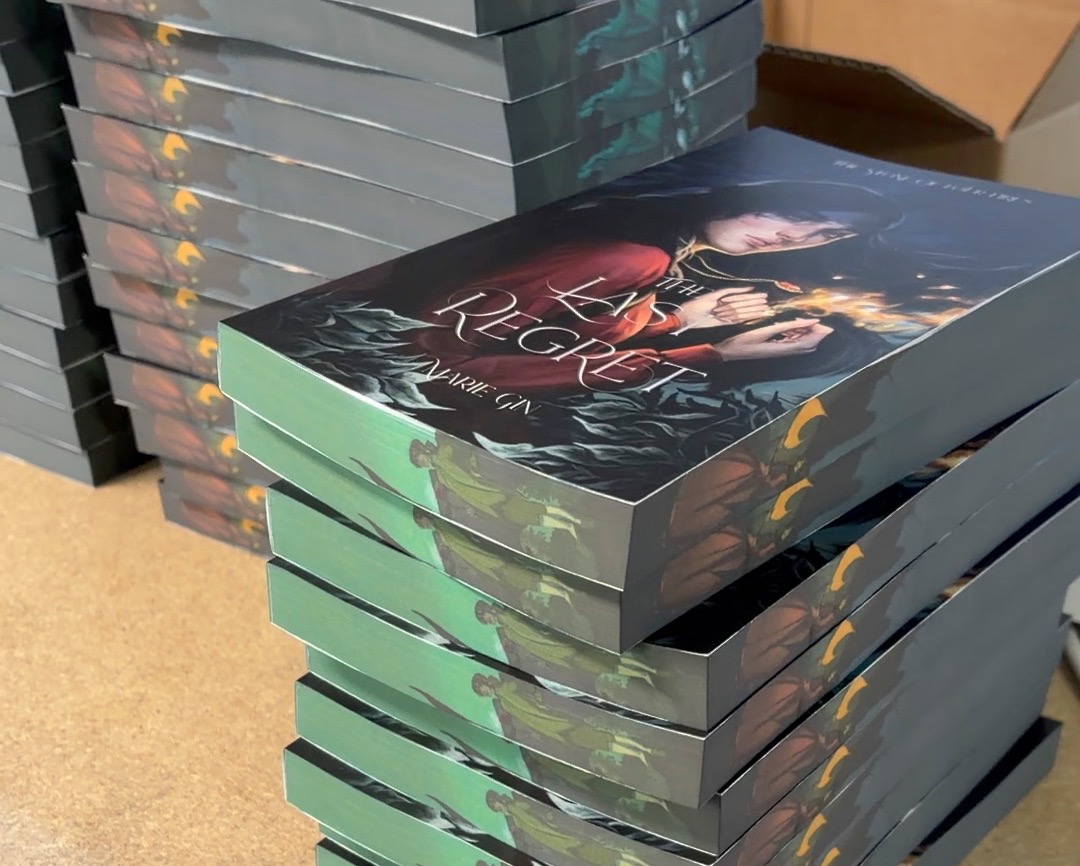
One of the best ways of doing this is by distributing ARCs, aka Advanced Reader Copies or Advance Review Copies. These are pre-publication copies, produced in small limited print runs 3-6 months before the publication date, to be sent out to bloggers, reviewers and influencers to help generate buzz. The contents in ARCs are subject to change, so they might contain a few typos, and often don't have the same beautiful print finishes as the final retail copies for sale.
This book marketing tactic, used by traditional publishing houses for decades, has become more common with indie and self-published authors to promote their books within the online community.
What Makes an ARC / Advance Reader Copy?
ARCs are created specifically to be read and reviewed, rather than purchased and collected like a finalised, published book. This means that authors can cut down on costs when printing these copies because they don’t need to be the beautiful, flashy end-products that will be available in stores. ARCs are not only a great campaign tool but can also become very valuable (known under hashtags like #Galleybrag) due to being from limited print runs, with many readers selling copies online at enormous prices for popular authors.
An example of this phenomenon was seen with the novel Katabasis by R.F Kuang, where reviewers were sent numbered ARCs from a limited print run of 200 copies and subsequently began sharing their luck online to other readers.
To help you figure out the best way to organise the printing of your ARCs, we've compiled the most popular specifications for them below:
Binding: Paperback perfect binding. This binding method has become standard because it's cost-effective, easy to ship, and provides an authentic reading experience. However, there is the rare saddle-stitch ARC which can work for shorter books under 100 pages.
Internal Paper stock: This is usually a standard uncoated paper stock in 75-90 gsm that is much like the same paper you’d use for the final edition of a book. A cream or off-white paper colour is a popular choice for both ARCs and finished copies because they’re easier on the eyes for reading over a long time. Interior pages also usually include a disclaimer page to state that the copy is an ARC, subject to change and not for resale in addition to the expected publication month and year.
Cover finish: ARCs will typically skip any special finishes, except for perhaps basic matte lamination. We see ARC covers using uncoated paper stock, but at a similar thickness of the finished copy cover, to simulate the feel and weight of the final book.
An exception to this cover setup is if a book is a highly anticipated release by an already popular author, as publishers will sometimes lean on special finishes such as foil stamping and spot uv, to recreate part of the final cover design and preview what this finish will look like in the final edition.
ARC covers don't need to be the same as the final retail copy though, and many authors and publishers use this as an opportunity to set the tone of the book and generate intrigue on the cover as you don't need to include as many details as with a retail copy.
See examples of various cover design choices across ARCs from a book reviewer on Instagram below:
The most common feature we notice on ARC covers, regardless of finishes, is that they don’t have an ISBN or barcode, and that they’ll clearly display “Advance Reader Copy” or “Uncorrected Proof” and “Not for resale” somewhere on the front and/or back cover, to make sure readers know that this is not the retail version. We also find that publishers will include key quotes, marketing activity summaries, publicity contact details and QR codes on the inside of cover pages to encourage influencers to share and engage with content surrounding the launch of the book.
Trim Size: We recommend using the same trim size as the retail version of your book, with common sizes for novels being B Format (128x198mm) also known as trade paperbacks and A Format (111x181mm) aka mass paperbacks.
Quantity: Most authors print between 25-100 ARCs for an initial campaign, but this will vary greatly based on the number of influencers and reviewers you wish to distribute to and if you’re sending them yourself or through a third-party ARC distributor. We recommend ordering a print run that will cover the number of reviewers you’d like to engage with plus 20-30% more copies for any events, family and friends, and unexpected opportunities. You can always order more copies if you need them too!
Finding Reviewers and Influencers
The success of an ARC campaign will always depend on getting your book into the right hands. You can easily build an effective reviewer list by browsing various platforms such as BookTube, BookTok, Book bloggers (with traditional blogs), Bookstagrammers, Goodreads Reviewers with established followings, Newspaper and traditional reviewers, podcasters and more.
Many will have reviewing and submission guidelines to help you figure out if they’re the right fit and would be interested in your book as well. This might include the format of ARC that they’ll accept, as some influencers prefer physical (printed) copies, or digital ebook ARCs. If you’re not sure about who to reach out to and where to go, there are specific agencies and marketing specialists who can take the lead in ARC distribution for you such as The Berry Agency.
Above all, we recommend prioritising quality over quantity! Many reviewers who have smaller followings have more engagement from their audience than big number influencers, and their community will therefore be more likely to support them receiving an advance reader copy.
When Should Authors Print ARCs?
When you should print ARCs will largely depend on if you’re self-publishing alone, working with an independent publisher, an agency or a hybrid publisher. Many authors will send out ARCs to higher priority influencers and make digital ARCs available on distribution platforms such as NetGalley, BookSirens and BookSprout up 6-9 months in advance, but in general, advance copies should likely be sent out at least 4-6 months before your publication date to give reviewers time to read and review.
It’s worth noting that ARCs are definitely an investment that comes with risk because not every reviewer will post a review or mention the book that they’ve received an ARC for. Review rates will vary a lot based on how you’ve distributed and sent them out, and which formats you’ve chosen for your copies. What’s most important once you have sent out copies is to keep track of reviews and engagement online, reshare what you find and connect with readers.
Printing advance reader copies is definitely an investment, which is why it has largely been used by traditional publishers for so long and has only just become more common for self-published authors. It takes time and financial investment but it can often be the best way to generate buzz about your book and start promoting your new release before it even hits stores. Many bestselling books started out simply from an author offering to send someone an early copy and those first readers were the start of that book’s fanbase and online community.
If you're ready to organise the printing of your book's advance reader copies, request a quote or get in touch with our team of book printing experts to get started!
)