Published on:
•
Last Updated:
The cover of your book isn’t just a space to communicate what kind of information is awaiting readers inside its pages - it’s a marketing tool in and of itself. From creating a great cover design to choosing between a hardcover or paperback cover, there are a number of ways to elevate the cover of your book thanks to printing processes and materials. One of these ways is lamination, a type of book embellishing that is sure to make your book quite literally stand out from the crowd. But what is lamination, how does it work, and what sort of projects suit holographic lamination best? We take a closer look at the fascinating world of lamination below.
What Is Book Cover Lamination and How Does It Work?
Book cover lamination (also known as ‘laminate’) is the process of applying a thin layer of plastic film to the cover of your book with the help of heat and pressure. Not only does lamination provide incredible durability for your book thanks to the plastic acting like a protective shield between the book cover and anything that comes into contact with it, but it also adds aesthetic value to your book.
To put it simply, lamination is a cost-effective book treatment that provides an affordable way to protect the quality of the book’s exterior. Things like moisture, scratches and everyday wear and tear will have a noticeable less impact on a book finished with laminate - however, at FolioFox printing we understand that it’s not just a long shelf-life you’re after when it comes to crafting your own book, but also a high aesthetic value. While the process of laminating book covers has been around for decades, recent book industry trends reflect more and more authors and publishers opting for a laminate finish for marketing purposes. To sell a book these days, it doesn’t just need to read well and feel good - it needs to look great.
What Are The Different Types of Book Cover Lamination?
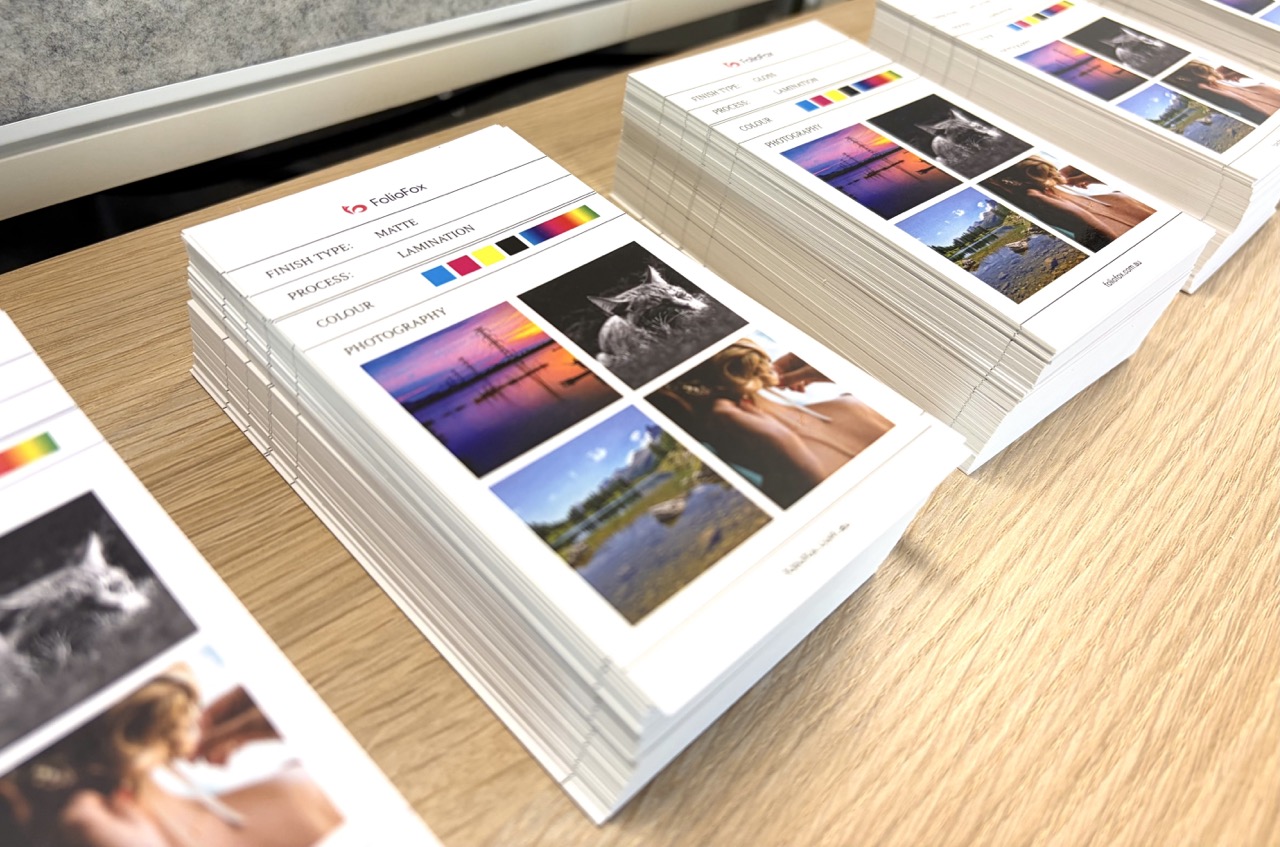
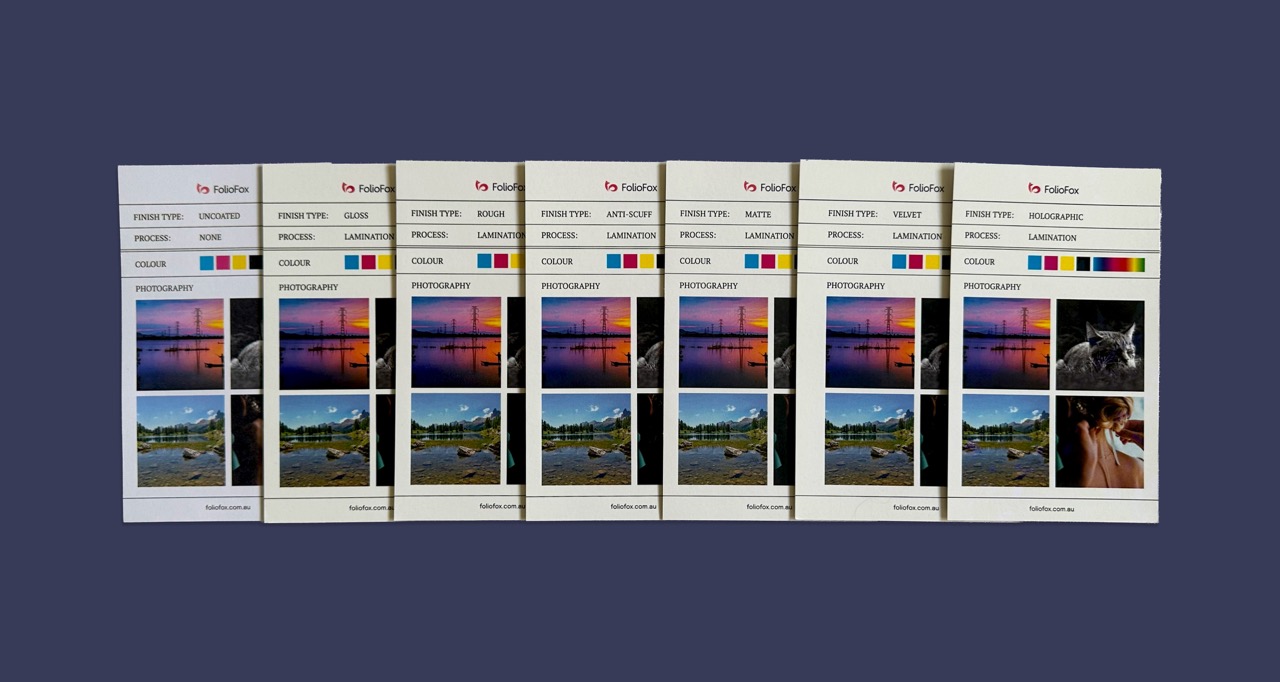
When it comes to book cover laminate, you have the option to choose from a varied range of lamination looks and feels, each making their individual mark on the book they’re covering. From gloss to matt, anti-scuff to velvet, rough to soft touch - as well as our brand-new holographic lamination option - there are plenty of laminate choices to pick from to add the right finishing touch to your project.
Gloss Laminate
One of the most common laminate types you’ll come across is the gloss laminate. Gloss is all about making the colours jump off the page, enhancing a book cover’s design so that it grabs a book-buyer’s attention. Not only does gloss help with making the cover’s colours look even more vibrant, but its shiny touch also signals professionalism when it comes to projects like self-published books and marketing books or materials.
Matt Laminate
Matt is another extremely common book cover lamination style. While gloss is all about shine, matt is all about visual texture. Its non-reflective finish helps to reduce any glare catching on the cover while still feeling smooth to touch, balancing an aesthetic of professionalism with a style grounded in sophistication. Projects that benefit from a matt laminate finish includes indie magazines and corporate booklets or presentation folders.
Anti-scuff Laminate
Next up, we have anti-scuff lamination. This type of book cover embellishment takes the best parts of the matt laminate style - like reduced glare, smooth and non-reflective - and enhances them to provide greater durability and protection. Exactly what it sounds like, anti-scuff is all about ensuring that the cover resists scuffs, scratches, fingerprints, and any other everyday wear and tear. High-traffic books are great candidates for anti-scuff laminate, like children’s books or educational materials.
Velvet Laminate
Additionally, the velvet laminate style is another quality lamination to consider if protection is a must-have when designing your book cover. Velvet laminate offers even more of a barrier-like shield against wear and tear than matt finishes, thanks to its velvety suede-like texture that feels luxe to touch. Plus, velvet laminate gets its signature aesthetic from the coating that mutes colours slightly, creating a sophisticated, understated look for your book cover design - a great laminate option for something like a cookbook.
Rough Laminate
When it comes to rough laminate, this coating is all about texture and feel. Rough lamination turns the cover of your book into a gritty, non-reflective surface, working its magic through a coarse texture that could almost be compared to very fine sandpaper. A rough laminate will provide incredible durability, as well as a distinctive tactile finish.
Soft-touch Laminate
On the opposite end of the texture spectrum is our soft-touch laminate. This style of coating draws similarities to velvet laminate thanks to its velvety textured matt finish. What makes soft-touch laminate stand out, however, is the way it can capture colours on the cover of your book, being able to maintain colour vibrancy in an effective way. This does come at the price of being not as resistant to scuff marks as some of the other laminate options, so it’s best suited to something like a coffee table book.
What Is Holographic Lamination and What Projects Does It Suit?
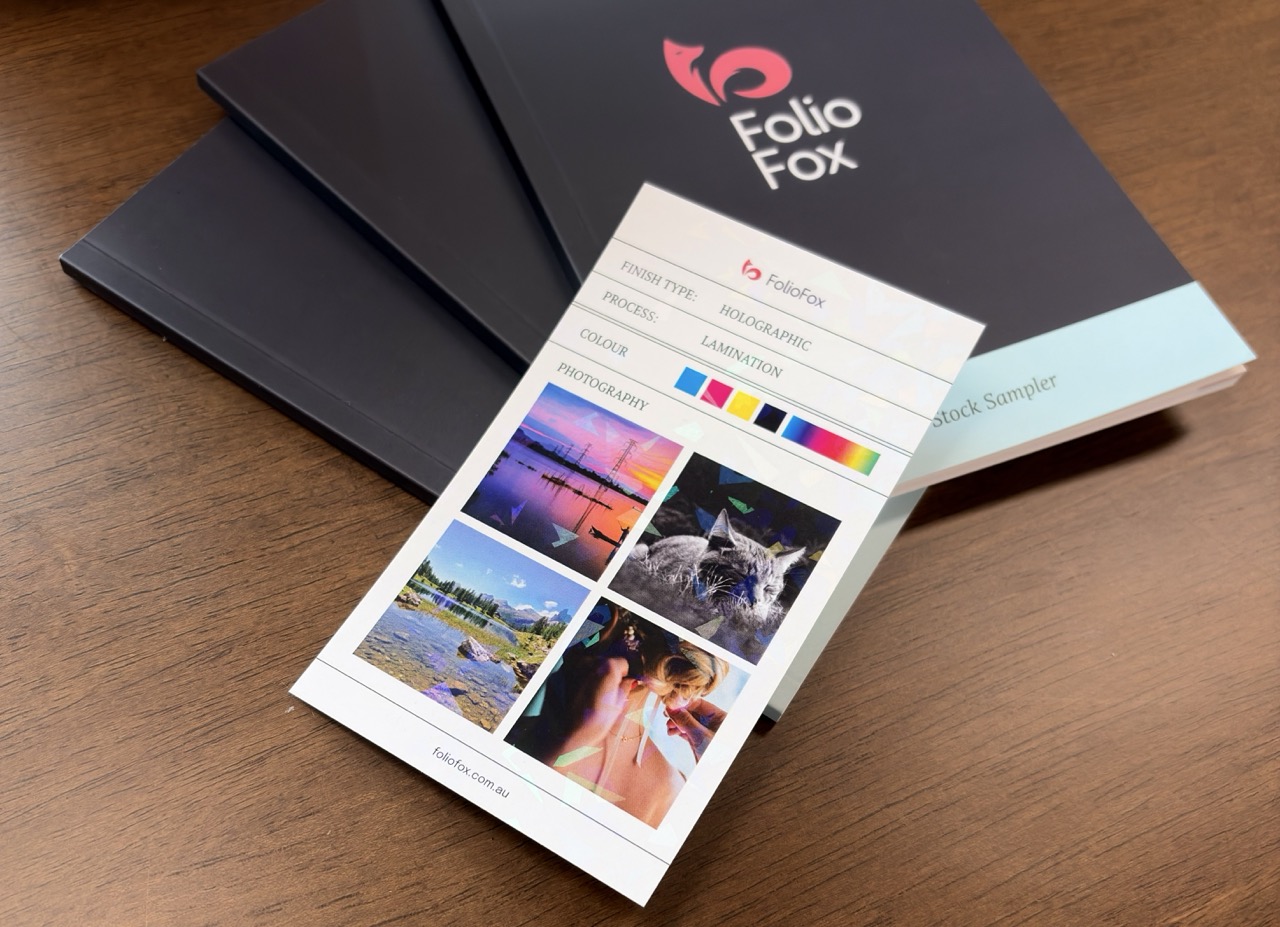
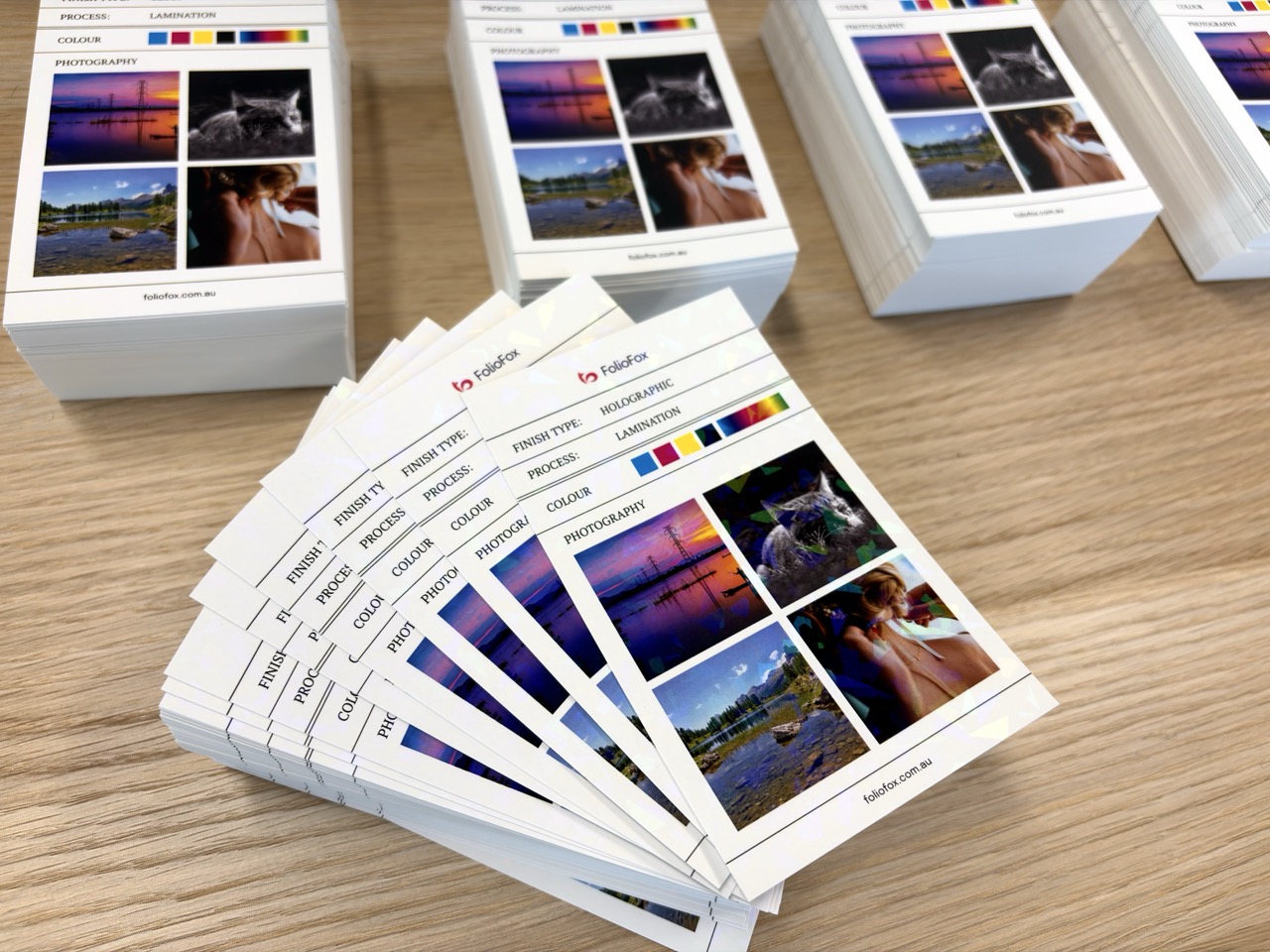
Remember those holographic contact pages you used to wrap your school books in as a kid? That’s holographic lamination! A clear gloss laminate that features holographic shapes that flicker and change as they catch the light, holographic lamination is an eye-catching embellishment that can really make your project pop.
Not only does holographic laminate add a visual uniqueness to your book, but - like with all kinds of lamination - this coating also adds a protective layer to help heighten the durability of your project. Thanks to the smooth layer that coats your book cover, holographic lamination can protect the book from creases, fading, water damage, wrinkles, stains, smudges, scuffs and fingerprints.
While holographic lamination can’t help but grab your attention and draw you in closer, there are particular styles of books and projects that can benefit more successfully from holographic laminate than others. For example, picture books, reading books or colouring-in books aimed at children or young people often utilise this bold laminate feature to pull their younger readers in, while documentation used for corporate settings - like presentation docs or annual reports - would be disadvantaged by this kind of laminate. It’s best to always keep the targeted demographic of your book and printed materials in mind when designing your project, from crafting the content to choosing the lamination.
No matter which style of laminate you choose to go with, each style has its own unique features and benefits, helping your book stand out from the crowd and to get it in the hands of readers and book-buyers, over and over again. As with all steps of the book printing and publishing processes, it’s important to think about your audience when designing your product and which features will stand out most to them.
To learn more about our book finishing techniques and book cover lamination services, get in touch with our team today. We're here to help you navigate the evolving world of book printing and embellishing with confidence.