
Published on:
•
Last Updated:
AI tools have become very popular, used by millions of people and can certainly be useful in driving productivity, automating tasks and for a bit of fun. However, it’s also become a real threat to authors and their works, as the debate of AI-usage when it comes to copyright continues.
How can authors protect their future releases from being used and profited from by AI companies? We’ll dive into the latest ways you can protect your work, and also continue to support local, human creators.
The Rise of Companies Using Books to Train AI Models
ChatGPT, Claude, Gemini, Co-pilot and the many other AI tools that are now widely available and have dramatically increased in usage, are all built from machine learning algorithms that “learn” from existing data including written works. However, where does all this training material come from?
Unfortunately, so far, many companies building these AI tools have used content that isn’t theirs, from existing authors who never gave consent to their work being used. This is what led to the major class action lawsuit from a group of authors (Andrea Bartz, Charles Graeber, and Kirk Johnson) against Anthropic, an AI company, that allegedly used their books from pirate websites, such as LibGen and PiLiMi, to train their AI model without consent or payment. The lawsuit reached a US$1.5 billion settlement, and a website with a list of affected works was made available as many authors and illustrators, including Australians, were affected and are now entitled to US $3,000 per included work in the database. (If you’re affected, this is a reminder to put in your claim form as they are due on the 23rd of March 2026).
This lawsuit wasn’t the first instance with Meta also getting caught red-handed last year, which is why the risk of written works being used to train an AI is real for authors, and something that isn’t always in their control for previously published works especially as new AI-based technologies are constantly popping up. New developments like Amazon’s new Kindle AI-generated feature means that AI models can easily access eBooks published on Amazon, and there are no options for authors to opt-out, or even transparency on protections available to authors. It’s worth mentioning that this AI-feature basically undermines the point of owning and reading eBooks - why ask for a TLDR (the book’s plot and character information), when you can simply read the book.
AI-Training Agreements With Publishing Companies
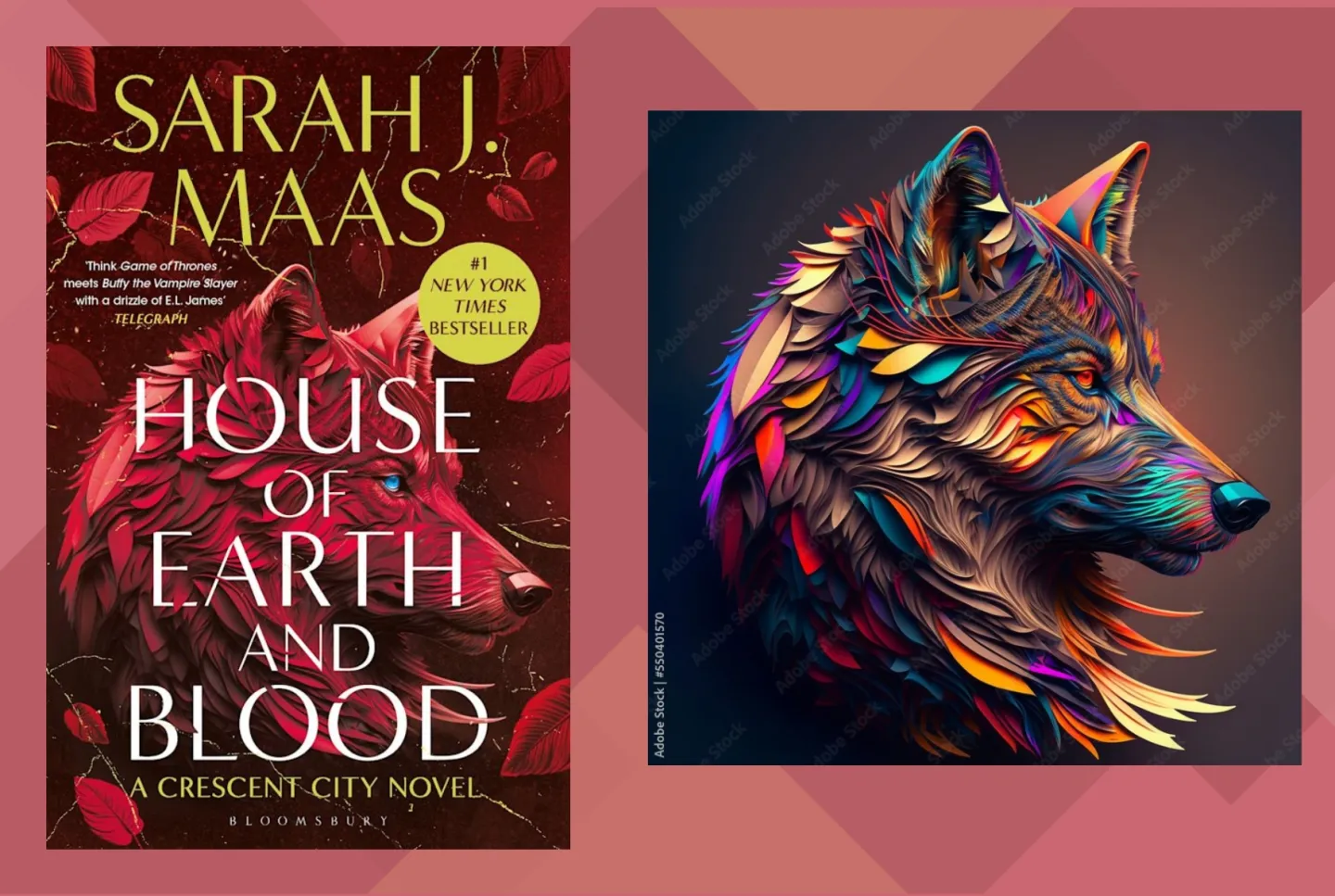
Publishing companies are no different to other for-profit businesses which are looking to use AI to cut costs, increase productivity or make money. There has already been controversy with authors’ books removed from Ockham New Zealand Book Awards to breaching an AI-clause after finding out that their book covers used AI-generated art (something experienced even by a NYT-bestselling author), academic authors learning that their works had been sold to Microsoft for AI training, and while HarperCollins gave authors the option to sign an addendum for backlist titles to be used by an unnamed AI company for training (with a 50/50 payment split), last year an Australian publisher was criticised for pressuring authors to sign a broad grant of rights within four days.
“The creeping use of AI in publishing raises questions of author’s rights when it comes to the publishing process and whether authors should be able to include clauses in their contracts to state that their publisher must not use AI in the production process," says Claire Mabey, in How two AI book covers forced the publishing industry to reckon with its future, "It is now standard that publishers will include a clause to assert that AI has not been used in the writing of the text, but far less common that authors ask for reciprocal assertions from publishers.”
Consent is a major factor for many in the community, but it also threatens income-generating work for authors and illustrators - in an industry that’s already incredibly competitive and as of 2022, still isn’t lucrative enough for authors to even make a living wage.
How Can Australian Authors Protect Their Books from AI?
Both traditionally published and self-published authors face the same risks, as AI has become a threat to the intellectual property of all written and published works. So we’ve listed some key tips that apply to authors, whether they’re publishing their books themselves or through a publishing company.
- Add a ‘No AI Training’ clause or notice in the copyright page of your book.
- Consider obtaining a Human-Authored Certification or an Organic Literature Certification, which provides you with a logomark that can be added to your copyright page or anywhere on your book to certify that your work is written by a human, and your written work hasn’t been created with AI.
NOTE: Currently, only human-created work is protected under Australian copyright law, so if you’re using any AI-tools yourself when writing your next book or publication. Although there hasn’t been a lawsuit filed in Australia for AI copyright infringement, if your work is not ‘original’, it might still come back to bite you. - Carefully review any contracts you sign with businesses that are assisting you in publishing, such as designers, distributors, etc. to make sure they don’t include clauses that allow them to use your work and/or data for AI training, or allow them to use AI for services you’re paying them for.
- You can also block access to bots on your website via settings or by adding a robot.txt file that blocks GPT-specific bots or all bots (you might need the help of a website developer or support team for this one). We recommend approaching this one with caution though because it might reduce your visibility on google searches, make it harder for people using AI to find you when they ask questions that would make your website appear as a recommendation or Google AI Summaries. Any malicious bots being used out there also just ignore the robot.txt altogether!
- An alternative to blocking bots is to poison your online content by using watermarks or digital masking, which stops any AI scraping the internet from being able to process the information.
- Opt-Out. If you use platforms like Substack, Medium, etc, to share your writing and artwork, you can often opt-out of AI training in your settings.
- Be careful of what you share online, and monitor where your work is shared or talked about so you can act quickly and issue take-downs
Publishing Agreements & Contact Clauses
All authors, but especially traditionally-published authors in particular should take greater care when reviewing contracts with publishing and distribution companies. The Australian Society of Authors is one of many organisations that have provided guidance, and questions to ask publishers for authors when it comes to AI, including access to legal support and clauses to prevent AI training that authors and agents can use when negotiating contracts with publishing and distributing companies. We highly recommend reaching out to them for support if you have any further questions.
Promising Changes to the Copyright Battle Against AI
With all the controversies, lawsuits and a lot of attention, it seems that everyone in the publishing industry is becoming more cognisant of the risks that come with AI-driven technology but there are promising changes happening to combat copyright infringement and the broader impact of AI on the industry.
- Last year, the publishing community was relieved to see the Australian Government reject the addition of a Text and Data Mining (TDM) exception to copyright law, which would have allowed companies free-access to published worlds to train AI models without consent or payment.
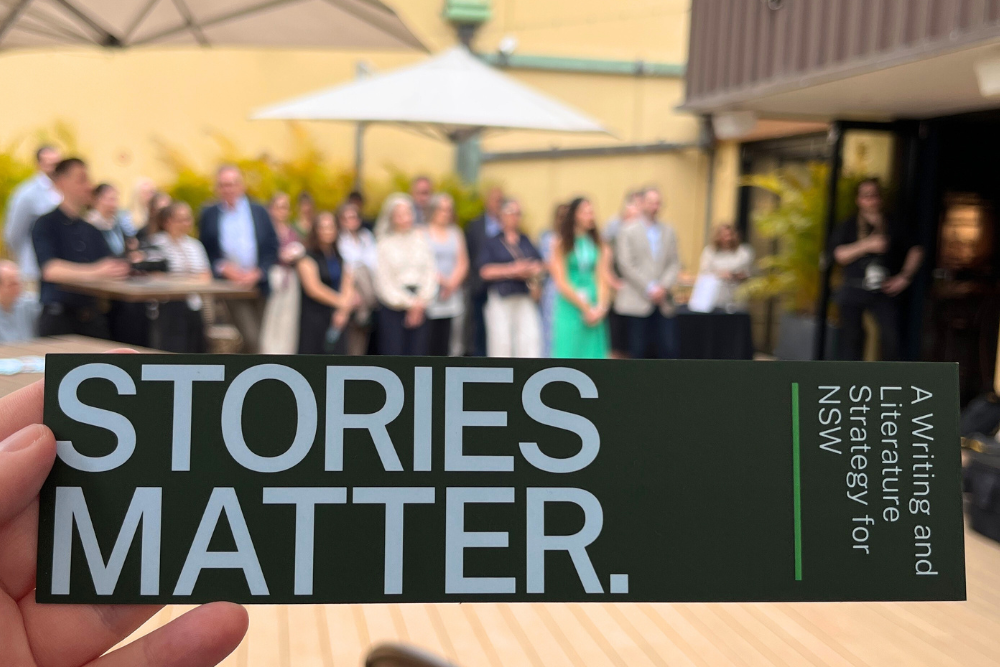
- [As of writing this article] A couple of months ago, the NSW government pledged AU$3.2 million to support and grow the writing and literary sector, through ‘Stories Matter: A Writing and Literature Strategy for NSW’.
- To give control back to authors, the founder of Scribd started a new venture called Created by Humans; a marketplace-type platform that connects authors with AI companies to help authors claim and protect their work, and negotiate licensing and payment for usage in training AI models.
Jul 2026 Update
- Dr Alan Finkel, Chief Scientist of Australia and Chancellor of Monash University, founded Proudly Human, an "independent, international certification organization that verifies and labels human-created content, services and products." for all types of creators including authors, writers and publishers. Certification applications costs start at AU$10 for your first book and each additional book costs AU$90.
- Australian Prime Minister, Anthony Albanese, provided new statements on the government’s position on copyright and AI, declaring that Australian creative work must not be used to train AI systems without the consent and control of creators. See more information on the Australian Publishing Association's July 2026 Advocacy update.
We, like many in the industry, hope that this is just the beginning when it comes to positive movements and policy management to ensure that authors can control where their work is used and shared online.
As a local book printing company, our work involves humans across the entire book production pipeline so AI isn’t really something that poses a risk for us when it comes to intellectual property (unless someone decides to steal our articles), but this affects the entire publishing industry and therefore our customers.
We proudly have a growing database of publishing professionals such as editors, designers, illustrators - who are all human - that we refer customers to when they need additional prepress help before their book goes to print, and we don’t plan on changing that anytime soon.