Published on:
•
Last Updated:
Hardcover books are all about creating beauty from the details. From the type of paper to the luxurious cover holding it all together, the incredible craft involved in creating a hardcover book makes it the best way to package your ideas in one premium parcel.
When it comes to deciding the nitty gritty details of how the book comes together, you’ll find that the type of binding you select will impact the process of printing, whether it be section sewn or perfect bound binding. While both may look the same at a quick glance, their intricacies differ in terms of cost, material and durability. Let’s take a closer look at these various hardcover book binding methods, and explore which one will be better suited to your project.
What is Section Sewn Binding?
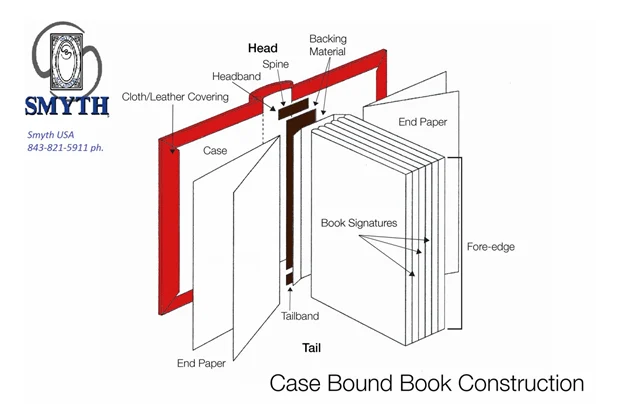
When it comes to book printing, there are some methods that have stood the test of time for good reason - one of these is section sewn binding (also known as Smyth-Sewn Binding). This bookbinding technique involves hand or machine-sewing printed spreads together, called signatures, into sections that each look like a thread-bound saddle stitch book - that are then compiled and binded to the hardcover.
A technique that still thrives in the world of book printing, section sewn binding is known for its durability, strength and simple elegance. To break it down simply, section sewn binding means that sections of folded pages - also known as signatures - are bound together with thread. These sections are then stitched together to create a book block that is then glued to the binding edge to seal the blocks to the spine of the book. Because of the strength of the spine created by using section sewn binding, books crafted from this method of binding are likely to last a lifetime. The durability keeps the pages attached to the spine of the book and together as one, surviving decades of wear and tear - even with a thoroughly beloved book.
What is Perfect Binding?
On the other hand is perfect binding. This method of book binding swaps out thread for glue as the means of holding the book together, which is all then attached to the book’s cover. There are a few different options for binding glue, however PUR (Polyurethane Reactive) glue - a modern alternative adhesive that chemically bonds with paper fibers, and the glue we always opt for - is a good source of adhesive for perfect bound binding thanks to the way the glue penetrates the paper and not just the surface.
You’ll find that most softcover books utilise perfect binding as it’s a relatively affordable, durable and efficient method of creating a bound book. It also looks professional, allowing a book to have a flat spine by creating a book with a uniform thickness that means it will lie perfectly flat for stacking.
Comparing the Binding Methods
While perfect binding your hardcover book will provide your product with more durability than paperback binding, it isn’t quite as durable as the section sewn binding method. The physicality of the thread that section sewn binding uses to construct a book trumps the glue of perfect binding, meaning that using section sewn binding is a great idea if you’re wanting to craft a hardcover book that will last forever.
There is, however, a difference between the costs of the two methods. Because the section sewn binding method requires a more labour-intensive process of sewing the sections together - which can also mean a longer production time - it tends to be more expensive than using the perfect binding method. But while perfect binding that uses PUR glue may be cheaper, section sewn books often last a little longer on the shelf.
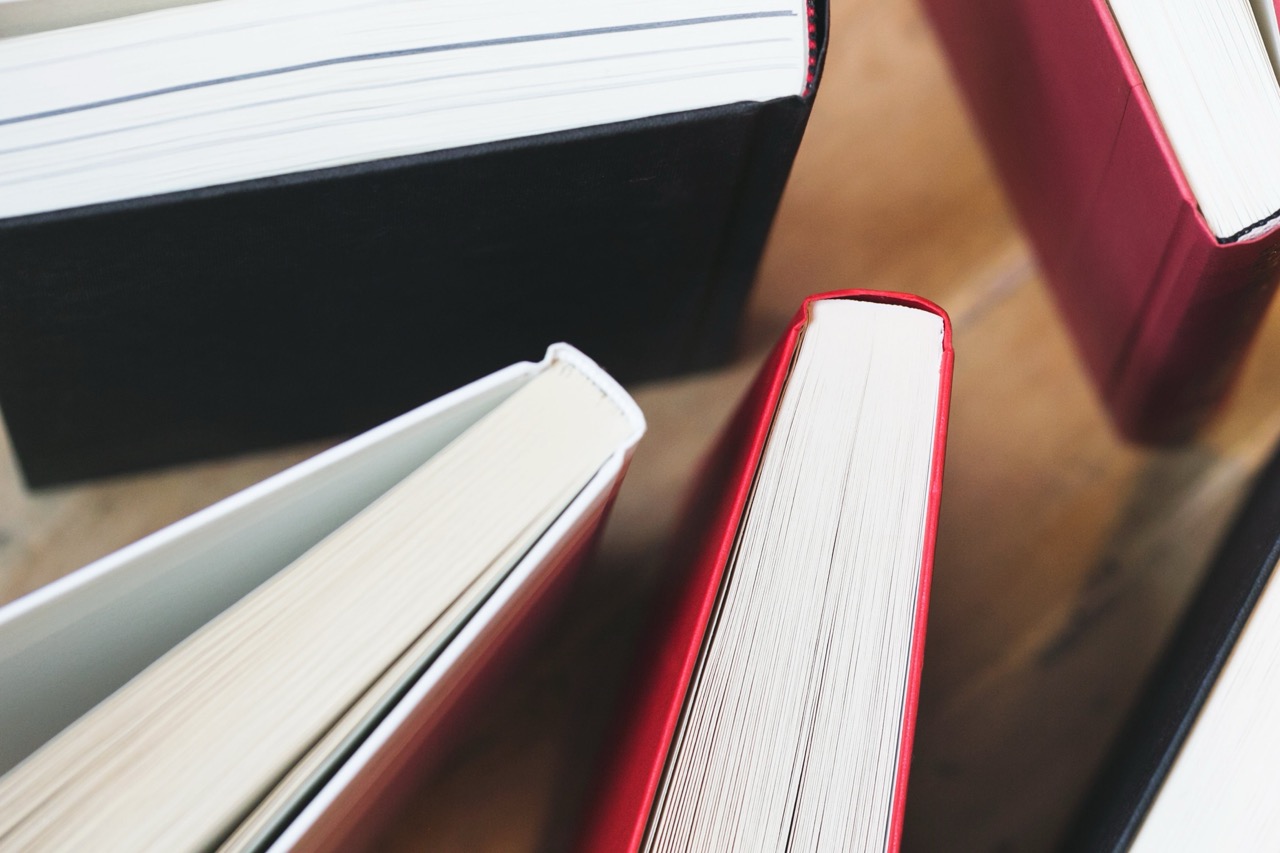
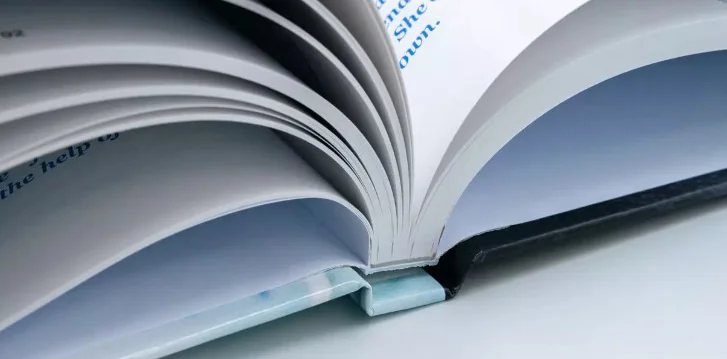
There are also some differences in the details of how these types of binding methods impact the finished product. Because of the threads sewn into a hardcover book that has used section sewn binding, the pages tend to lay flatter than they will if the book has used perfect binding.
For those with an eye for detail, section sewn binding is traditionally the more visually appealing option of the two. Sometimes the spine of the interior of a hardcover book that has used perfecting binding can separate from the spine of the external hardcover (especially if they haven’t used PUR glue). With section sewn, this doesn’t happen as often because the sewn method is much more durable.
Ultimately, both binding methods have their pros and cons. While perfect binding is the more affordable option, section sewn is the more durable option that really gives that traditional ‘library-book’ feel. Putting together a beautiful hardcover book is an art in and of itself - it’s important to weigh up the details of what is important to you and how you want your book to look and feel. At the end of the day, all hardcover books are sights to behold, no matter the inner binding.
To learn more about our hardcover book printing and book binding services, get in touch with our team today. We're here to help you navigate the evolving world of printing with confidence.
 vs Perfect Bound)