

Published on:
•
Last Updated:
Beginning a new business is always an exciting adventure. Whether you’re a big player in your industry or a small business impacting your local community, how you reflect your business to both your market and your internal associates is an important stepping stone in the road to success. Maybe you’re hosting an event and need brochure booklets, or you plan to market your products through catalogues - whatever it is, crafting the story of your business through printed products is a great way to spread your message. Let’s have a look at some of the materials that could assist you in the early stages of starting a new business.
How to Market Your Business Using Printed Materials
One of the most important parts about beginning a new business is planning how you’ll market it to your audience. There are a range of different ways for you to get the word out about your mission, some that will be more suited to your brand or industry than others.
You might have created the best product in the whole market, but if no one knows it exists, how will it sell? This is where product catalogues, magazines or product lookbooks can come in handy to demonstrate your business’ range of products on offer. With all the clutter and noise associated with online advertisement, nothing beats getting marketing materials in your consumer’s hands through a catalogue.
Another effective way to market your business through branding is printing materials that can double as both a subtle branding exercise and a practical product. These could include branded notebooks, journals, calendars or planners. Not only are these materials used on a daily basis by your customer - which makes for fantastic brand recognition - but your business can also use them for corporate gifting, giveaways and client appreciation items.
Business cards are a must for any business - especially new ones. Whether you’re after something sleek and simple or idiosyncratic to your brand, business cards are the perfect tool for professional introductions and memorable connections.
Book Printing Must-Have’s: Printed Essentials for an Efficient Business
How your business presents itself to the world is of course a vital consideration in the early stages of your business journey, however just as important are the materials you will need for the internal functioning of your company. No matter if it’s just you and a business partner or you and a whole skyscraper full of employees, ensuring your business operates efficiently and professionally can be assisted by what materials you distribute.
Professional development guides, employee handbooks and training manuals are all a must-have for businesses of any kind. Crafting clear and accessible reading material that can be updated, customised and re-printed easily is essential when creating a cohesive environment for employees. By having these materials printed, you can create a tangible way for employees to refer to instructions, information or rules in a clear and concise way.
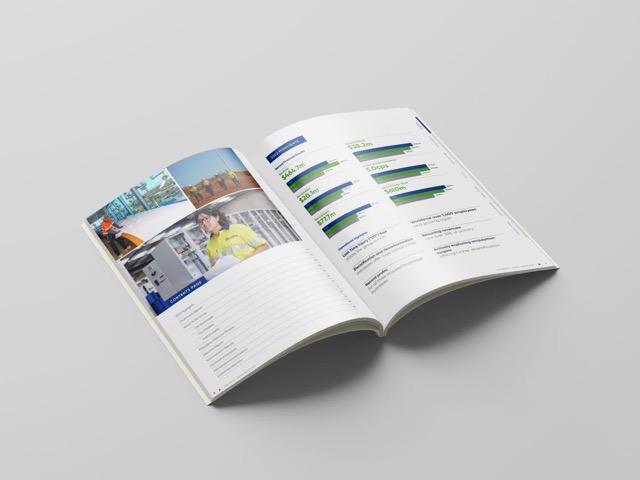
Additionally, there are a range of printed materials you’ll need to demonstrate the results, operations or figures of your business through the sharing of information. Whether this is through a presentation to your shareholders or an annual report for the public, crafting accessible material is a must. The last thing you want is for an important report to stakeholders to be unreadable, or to submit a pile of papers out of order. Sleek annual reports and branded presentation folders and document holders will make sure that isn’t the case.
Printing Materials You Need to Host an Event
No matter what kind of business you run, hosting events are part and parcel of creating connections and sharing your work. From conferences to fundraisers, portraying your business effectively in this valuable space - whether it be to networks in your industry or potential customers - is an opportunity not to be missed.
Creating printed business materials like posters and banners are an incredible means of grabbing your client’s eye in a space with a lot going on. Once you have your audience’s attention, distributing a brochure, booklet or program is the perfect way to cement your message and expand on your business’ story. You might want to simply articulate the event’s agenda of the night, or share further information on the speakers for the event. Using these valuable materials to extend the reach of your business and the journey you're on is an effective means for bringing your audience along for the ride with you.

Setting Up Your Printed Materials For Success
No matter what kind of marketing printed materials or other printed products you decide to go with for your business, to achieve the results you’re after, your printing journey begins well before you send your work off to print. Simple adjustments to your work - whether it be a booklet, a branded notebook, an annual report or anything else - in the drafting stage of your project can save you time and energy in the long run, helping you print the best version of your product on your first go.
If the words on the page in your project are the hero of the work, you’ll want to make sure they’re able to be easily read by your audience. Improving the accessibility of your printed project is a key way to ensure that most readers will be able to engage with your work. Simple tricks like building clear heading hierarchies, using bold and italics with intention, choosing appropriate fonts, making the most of colour contrast and selecting the right paper are all important factors to consider when crafting your project. While these details may seem small, they each are essential in crafting an accessible and aesthetic printed piece.
Getting to Know the Australian Standard Printing Sizes and Formats
The very first step before you delve into the requirements for your print file is considering the type of work you’re printing and which size you’ll want it printed as. There are varying Australian industry sizes - also known as the trim size - depending on what kind of project you’re working on, whether it be a knitting pattern book, a product catalogue magazine, a product instruction manual, or anything else you can dream up.
Common sizes you’ll often find include:
- A4: The most standard size of paper and many books, this size is great for promotional magazine printing, product catalogue magazines or booklets, instruction manuals, business reports like annual reports, yearbooks and more!
- A5: The next most common printing size in Australia, and it’s simply half of an A4 size, and is commonly used for event program booklets, branded notebooks, travel guides and more.
To find out more about book-specific sizes, especially which size and format will suit a book printing project for publishing in Australia, you can learn more about it in a recent article on Australian book printing sizes.
Which Printing Methods are Best Suited to Your Project?
As you’re looking around for a way to bring your project to life, you’ll discover that there are a few different printing methods to consider. Getting your work professionally printed isn’t as simple as sending a file off to a machine - the varying types of printing services offer you plenty of options to choose the right one for your specific project.
When it comes to the actual printing process, you can choose between either offset or digital book printing. Offset printing is a traditional method in which ink is transferred from a printing plate to a rubber blanket, which then applies the ink to paper. Alternatively, digital printing is a modern service that works similarly to a desktop printer, albeit in a much more sophisticated way. Instead, ink or toner is applied directly to paper through laser or inkjet technology.
It’s been a long-held opinion in the printing industry that those wanting to print high-quantity runs would opt for offset printing as it has historically been the cheaper option for larger print runs. However, as digital printing is becoming more cost-effective and boasts incredible flexibility in making adjustments and changes in the middle of a print run - as well as being extremely time-efficient - this modern printing method is giving offset printing a run for its money. Before you choose either one of these types of printing, it’s important to take into account factors like page count, paper type and finishing requirements to work out what will be more cost-effective to print your project.
Getting Ready to Print in Australia
Once your project is completed and ready to be turned into a physical product, it’s time to take a closer look at the specific print-ready file specifications that your work will need to adhere to before it’s sent off to print. Being the final step in your printing journey, following these guidelines will help deliver your project into your hands exactly as you have pictured it.
Cutting through the noise of an industry as a new business isn’t always easy, but making use of opportunities to establish your brand, market your product and foster an efficient workplace through printed materials can be.
To learn more about our printing services for businesses and get started on your printing journey, get in touch with our team today. We're here to help you navigate the evolving world of printing with confidence.