Published on:
•
Last Updated:
When it comes to choosing between binding options in the process of printing your magazine, you’ll find that different kinds of binding suits different kinds of projects, depending on elements like budget, visual preferences and size. We both break down the meaning and compare the differences between the two most influential binding techniques - saddle stitch binding and PUR perfect bound binding - to work out which one will work best depending on the project you have in mind.
What’s The Difference Between Saddle Stitch And Perfect Bound Binding?
Let’s take a closer look at what these binding types are and how they’re used in the magazine printing process. (Remember, these aren’t the only binding types we offer! If you’re printing a financial or annual report, a portfolio, a research or policy publication, a cookbook, calendar, notebook or workbook, you might want to explore spiral bound or wirebound binding instead.)
What Is Saddle Stitch Binding?
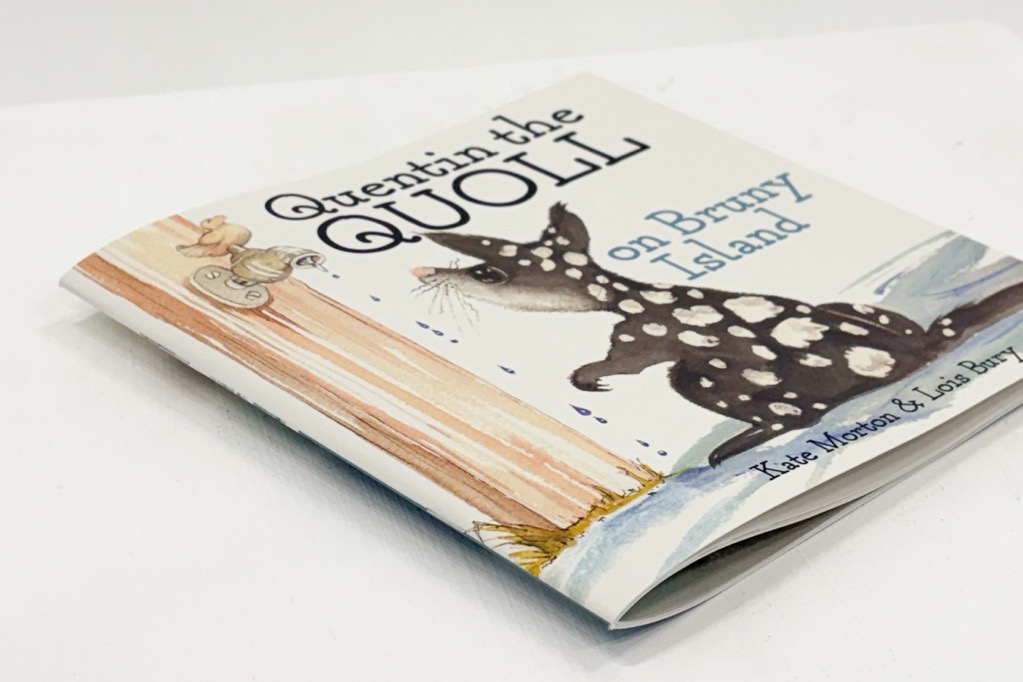
In short, saddle stitch binding (also known as booklet binding) involves folding printed sheets in half and securing them with staples through the fold, creating a clean spine. This cost-effective method works best when it’s used for projects that need to lay flat and are up to about 64 pages.
What Is PUR Perfect Bound Binding?
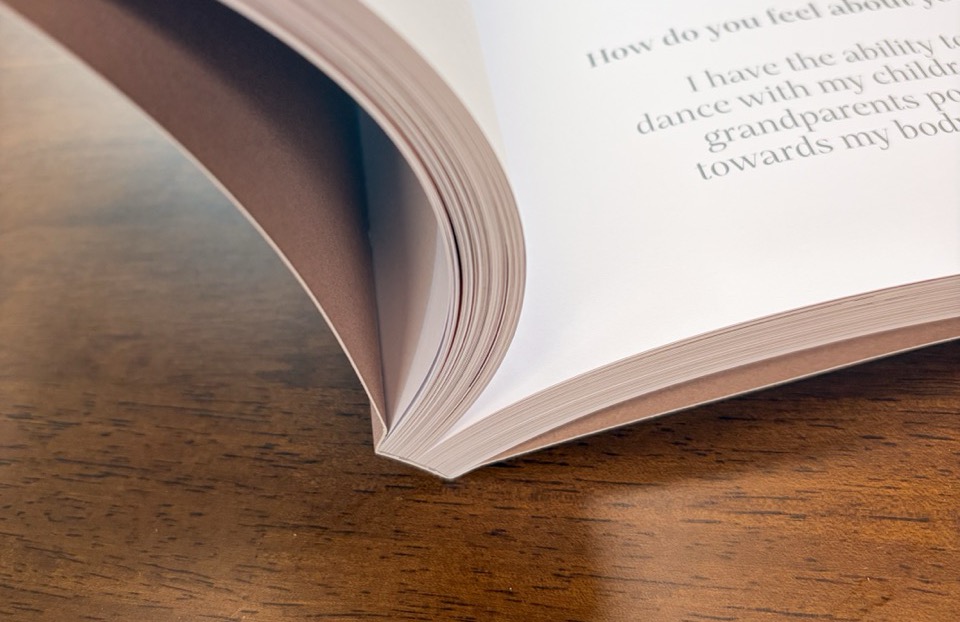
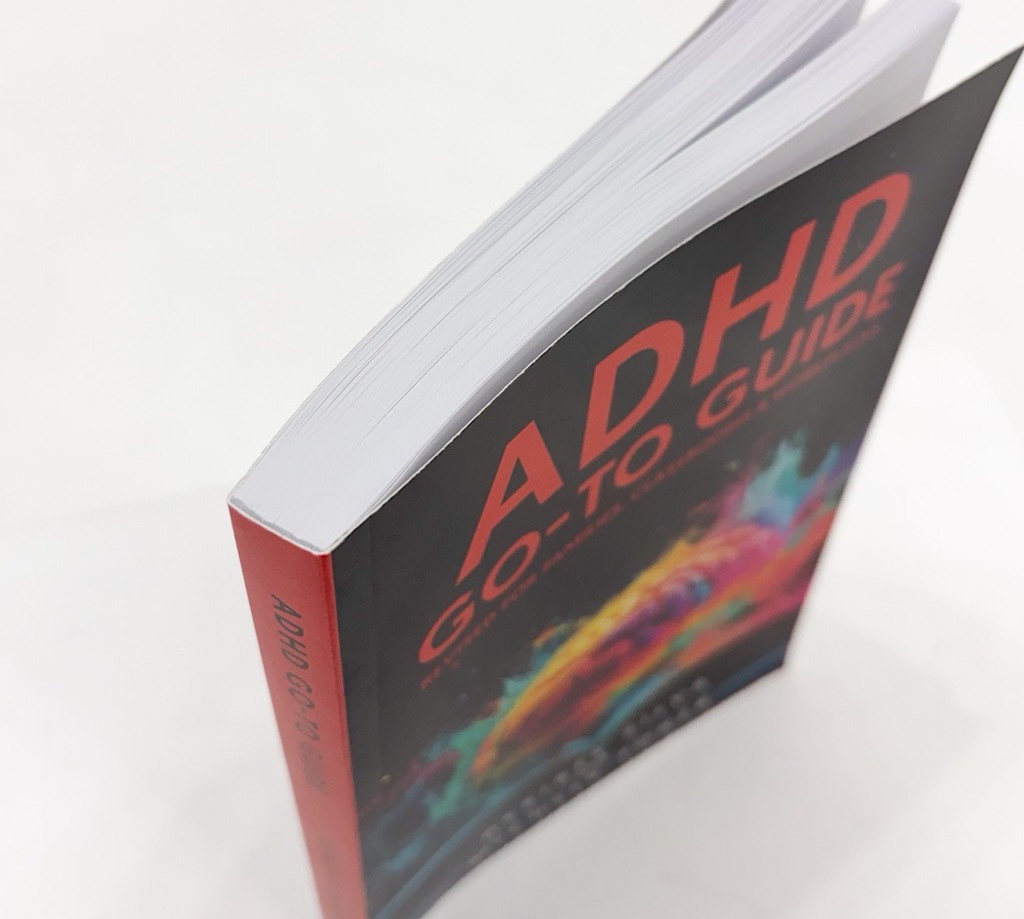
On the other hand, perfect binding (also called PUR binding) is a versatile binding method that can be utilised for binding both thicker paperbacks - giving them a square, flat spine - and also thinner softcover books. Perfect binding requires the pages to be glued to the spine with a flexible adhesive, like PUR (polyurethane reactive), to secure the book’s pages with durability and longevity.
How Do Saddle Stitch And Perfect Bound Binding Compare?
You’ll want to keep a few important factors in mind when comparing these two types of binding techniques for your printed magazine. From the page count of your publication to the context in which it will be used, as well as your budget and the desired look of the magazine, let’s stack these elements up against each other to work out which ones are important to you, and which binding type they lead to.
When To Choose Saddle Stitch Binding
The size of your printed magazine will be the most significant factor that determines whether saddle stitch or perfect bound binding is most suitable to your project. If your publication is 64 pages or under, saddle stitch is a great binding option to consider. Because of the way in which saddle stitch booklets are compiled - which is by folding printed sheets in half and securing them with staples - smaller publications work perfectly with this binding choice. Saddle stitch is most often the most cost-effective binding option, meaning that you can print your local magazine, club newsletter, business catalogue, event program or any other project where easy readability is essential without breaking the bank.
There is also the option to swap the staples out in saddle stitch binding for a more customised thread-sewn saddle stitch. It is however important to note that broken threads are a risk, which can cause the pages to unravel, and the production on thread-sewn saddle stitch does take a touch longer.
When To Choose Perfect Bound Binding
Conversely, if your printed magazine is over 64 pages, we strongly recommend going down the perfect binding route. Thanks to the flexible adhesive employed in the perfect bound binding process, durability is your best friend when it comes to this binding type. That means that if your magazine or printed project contains lots of pages, there’s no risk of it falling apart at the seams. While the cost of perfect bound is slightly higher than saddle stitch, the price is an investment in longevity. If your project needs to last a lifetime of being handled and read, the durability of perfect bound binding will ensure that it stays as strong as the first day it came out of the printer.
It’s also important to consider the aesthetics of the magazine you’re printing. If visuals are important - both when your project is being read and when it is sitting on the shelf - perfect bound helps show off all the sides of your magazine due to the flat, square spine created in the binding process. This not only makes your publication more durable, but also gives off a professional appearance of finesse and legitimacy.
Selecting the best binding method for your printed publication comes down to a range of factors - what kind of magazine you’re printing, how big it is, and what you want it to look like. Both binding styles have their own benefits depending on the publication at hand, so no matter what binding you choose for your project, we’ll help you make the most suitable choice when bringing your magazine to life.
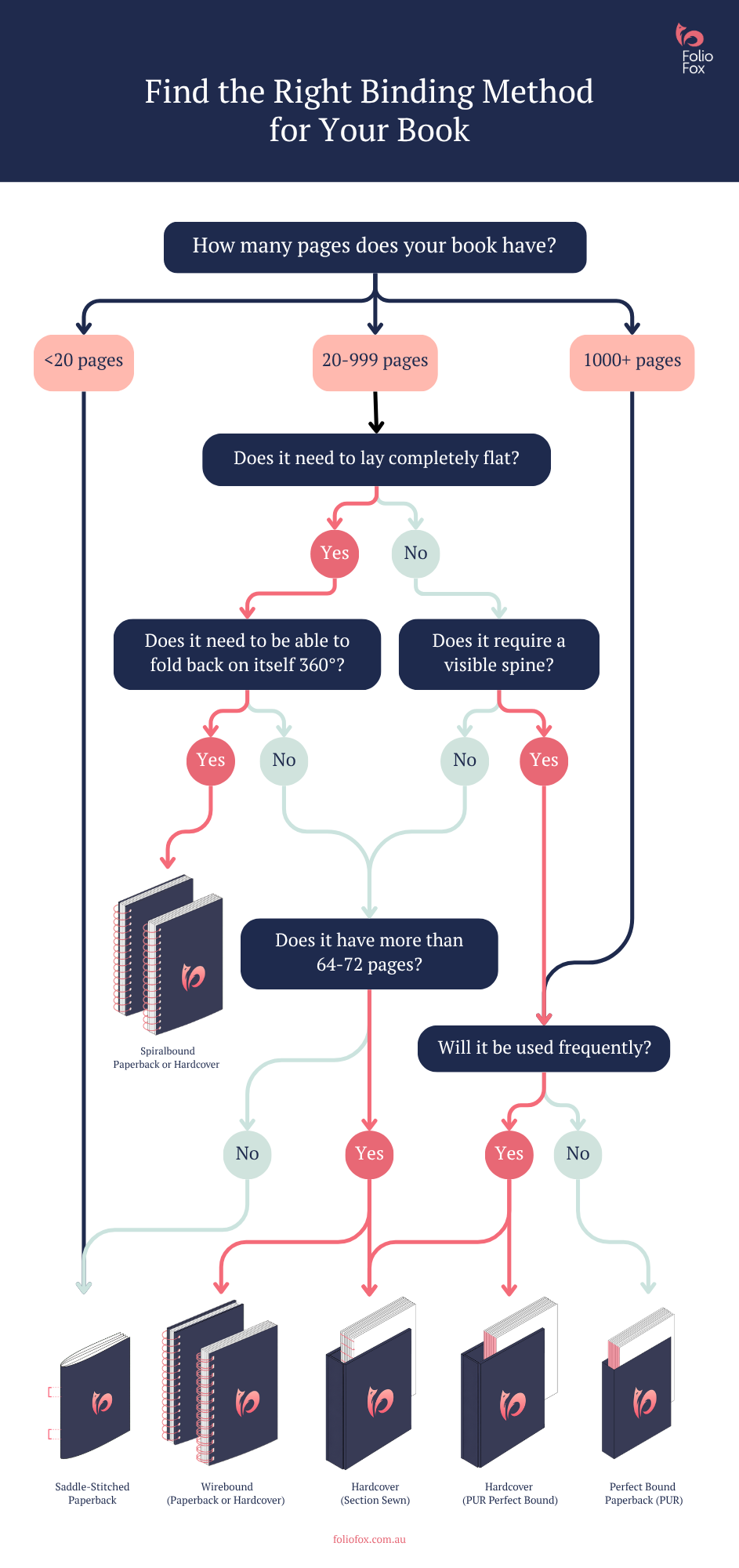
If you're still unsure of which binding method to choose from, and not just tossing up between saddle-stitch and perfect binding, check out our latest infographic below:
To learn more about our magazine printing and binding services, get in touch with our team today. We're here to help you navigate the evolving world of magazine binding and printing with confidence.