%20Large.jpeg)
Published on:
•
Last Updated:
When it comes to self-publishing your own book, working out the distribution process is one of the final steps. While it can be tempting to leave this part to last, it’s a good idea to get a handle of what distribution method will work best for you at the beginning of your self-publishing journey. Below, we dive deep into the different methods of distribution for self-published authors, and how the costs compare depending on how you choose to distribute your work.
Why Choosing The Right Book Distributor Is Important
Book distribution is more than just about getting your self-published book into the hands of readers. It’s about doing the right research and working out which method, service or kind of book distribution will be the most beneficial to you and your work in the long-run. There are an assortment of different ways to sell your self-published book in Australia, whether it be directly (online or at local markets), through independent bookstores, through a book distribution company, through ordering websites (like Amazon) or via Print on Demand (POD).
Choosing the most cost-effective method of distribution is all about doing the math in the planning process of printing your book. Don’t be daunted by the numbers, though - it’s simple enough to work out the differences in prices depending on what you’re printing, how you want to distribute it and which company you choose.
What Each Distribution Method Could Cost You as a Self-Published Author
There are various book distribution methods that you can consider when choosing who to distribute your self-published book with. Remember, there’s no “right” way to distribute your book - it’s up to you to use these tools and resources to work out what will complement your project and budget best.
To explore the price points of a number of distribution services, let’s take a look at an example for reference. Let’s say you’re an author printing with FolioFox. Your book has 300 pages including the cover, you choose creamy book paper for internal pages and a simple 200gsm standard silk stock with 1-sided matte lamination for the cover. 300 copies of this PUR perfect bound paperback book will likely cost you around A$6.83 per unit (excluding GST) or A$7.51 per unit (including GST) with delivery (based on a Metropolitan Melbourne postcode).
Keep in mind that every book is unique in its print configuration so this example’s pricing is only indicative and calculated as of July 2026, without any other customisations or embellishments. Not to mention that a higher order quantity often lowers your cost per unit price.
Distributing Through Online Retail Services
Using this example, if you’re wanting to distribute your 300 books via an online retail service like Amazon, you’ll have to set up an Amazon Seller Central account. Once you have that, you use the individual plan to sell your books on Amazon, which means that Amazon will take $0.99 per book sold (excluding GST), plus Amazon’s referral fee, which is 15%. This means that if your book is priced at RRP $29.99, you would be earning approximately A$22.10 per book or A$14.59 if you deduct the cost of print production. However, that’s before you factor in the cost of shipping the books from your garage or storage space to your customer, which would cost approximately A$11.70 for domestic shipping using Australia Post (as of July 2026, granted the book is up to 500g in weight). So in total, you’d really be earning A$2.99 per book after shipping.
The other Amazon distribution option is using Amazon FBA. This method still involves you using your local printer to print your self-published books, but you would need to ship them all to Amazon’s warehouse for them to handle the storage, selling and shipping to customers. Freighting 300 books to the warehouse could cost anywhere from $200 to $500, unless you have FolioFox send the order directly there or split the delivery so you have a few copies for yourself and the rest go to the warehouse.
Following that, you’d need to pay the same Amazon selling fee per book that the Seller Central method uses ($0.99 ex GST + 15% referral fee), as well as the FBA fulfilment fee (A$7.64, based one book weighing between 251 - 500 g and shipped in a parcel), leaving you earning approximately A$6.95 per book after deducing your printing cost. This doesn’t include the Amazon storage fee of $37.00 (Jan-Sept) / $51.80 (Oct-Dec) per cubic metre per month - yes, Amazon has so many fees!

Distribution Through Bookstores
What you might also consider as a distribution option is selling your books through a bookstore. Australian bookstores usually work with either a consignment method or using wholesale book selling. Consignment (pay as you sell) means the bookstore will take a percentage of the retail recommended price you’ve set for the book as their commission - usually 30 to 40%. Alternatively, wholesale means that the bookstore buys copies of your books outright at a discounted price - typically 40 to 50% off the retail recommended price.
So, if it costs you A$7.51 per book to print 300 copies and you sell your book at an RRP A$29.99, you’d earn approximately A$20 for each book sold on consignment (based on 30%), which means earning approximately A$13.50 per book once you account for the per unit cost of printing. Selling all 300 copies (valued at A$8997) wholesale to a bookshop at 40% discount (A$5,398.2) will leave you with A$4,143.20 in profits - granted that this would be paid in one go, rather than as each book is sold in-store.
Using Traditional Publishing Distributors
On the other hand, there are also traditional distributor methods that you might consider, like John Reed Book (JRB) distribution, Peribo, Woodslane, Perimeter, and Brumby State.
Peribo and Woodslane are two distributors that are open to self-published authors, whilst Brumby State only accepts self-published authors with a minimum of six existing titles and Perimeter only accepts titles in the contemporary art, photography, design, and architecture genres. Authors are able to access JRB if they have a full membership of Australian Society of Authors (note that this has been temporarily halted due to high demand), but a membership to the ASA costs $220 per year, plus a once-off joining fee of $25 (as of July 2026). The administrative fee for distribution with JRB per title per year is $80, and it's worth noting that when using any of these traditional distributors that you will also have to front the costs of shipping your books to their warehouses (if you don’t request your printer to send it there directly that is).
Most distributors will take 30 to 70% of the RRP (retail recommended price) you set for your book, which will impact how much you earn per book sale but their distribution services make it much easier to be discovered and for readers to purchase your books across the country. JRB has a revenue split of 70 / 30%, meaning that they keep 70% of the RRP and you’d keep 30% of your retail price after GST, for each book sold.
Why do distributors take such a big cut?
Well, that’s because they have to cover a lot more costs including but not limited to - their sales reps who travel to stores to secure orders of your books, the administration of distributing, packing and storing your books, shipping your books to various places around Australia and the fact that retailers also take a discount of 40 to 50% when they purchase from a distributor to begin with (similarly to how they buy books on consignment).
To see how much you might earn, let’s use the numbers in our previous example for 300 copies, priced at RRP A$29.99 each. Selecting John Reed Books as your distributor would mean that after GST is deducted (A$26.99), you would earn A$8.09 per book, which leaves you with A$0.59 in profits after you account for production costs. If you sold all 300 books (A$2429.19), your profits would be approximately A$174.19. This doesn’t include the membership fees, joining fees or marketing costs involved in promoting your book either. This is why self-published books tend to be more expensive as a customer, because it’s not exactly a lucrative business.
Considering Print On Demand
Going down the print on demand route basically means that the middle man is cut out of the equation, however the ease of this method also brings with it some drawbacks, like not being able to check the quality of your book before it makes its way into the hands of your readers. This cost is also indicative of the most basic kind of book, without customisations.
IngramSpark’s POD services have become a standard for many self-published authors, so let’s take a look how much you’d earn selling your books with their distribution services. Taking a look at their publisher compensation calculator tool, for a similarly produced book (140mm x 216mm / 5.5” x 8.5”, 300 pages, perfect bound with black and white text pages on cream paper and double-sided printed cover with a matte finish) priced at RRP A$29.99, the cost to print would be A$10.34 per copy. After applying the recommended 55% discount to attract book retailers, the estimated compensation you’d earn from each book sold in their distribution network is A$2.60 per book.
If you were to print 300 copies in bulk with IngramSpark (i.e. to sell on your own website as well), according to their print & ship calculator tool, your book would cost A$9.43 per unit for them to produce but after adding in the handling, shipping fees and taxes, the total per unit cost will come to A$10.09.
Amazon KDP’s print on demand services are similar and have a 60% royalty rate for books. Their calculator tool estimates that your book’s (given the same specifications previously used) would cost A$9.02 to produce and that you would earn approximately A$8.97 for each sale, based on the list price, royalty rate, and deducted print costs.
Personally Distributing Your Self-Published Books
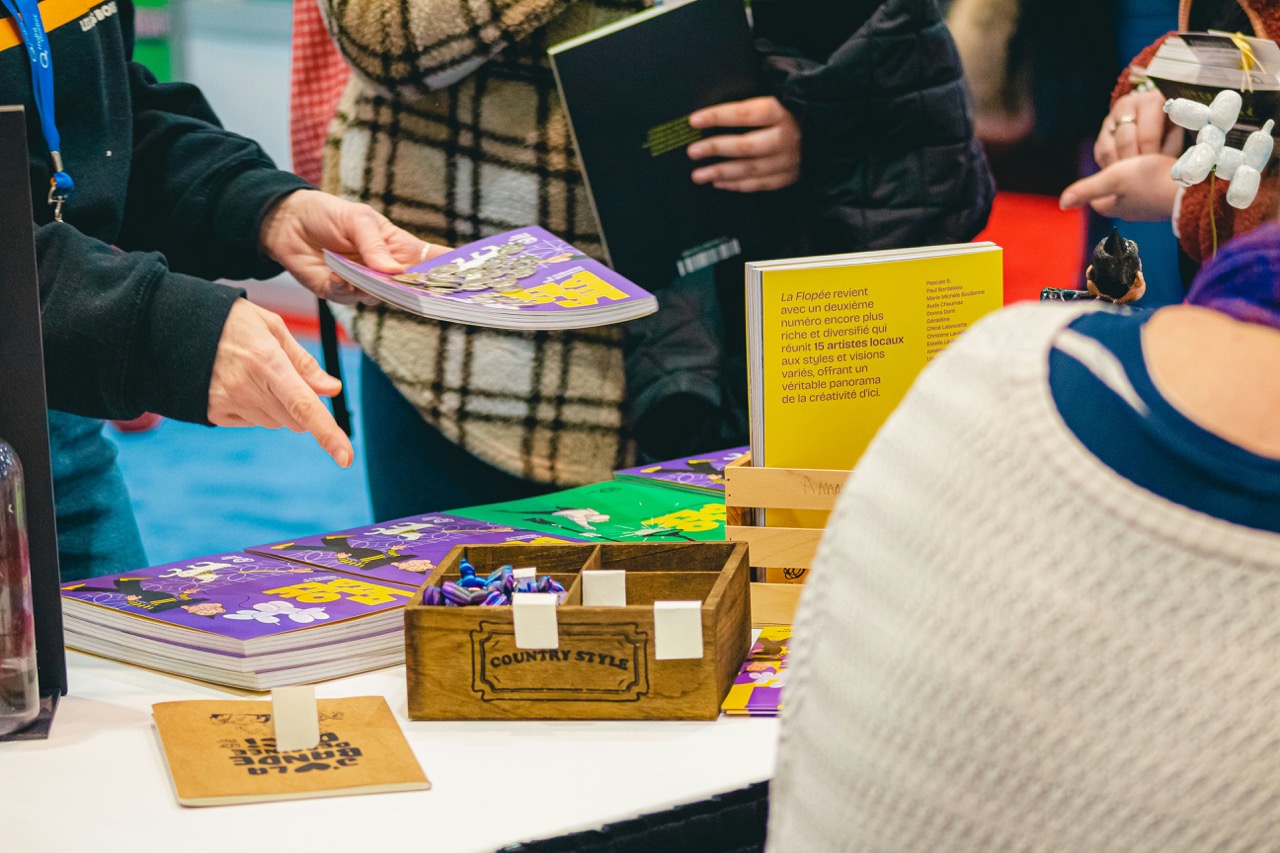
One of the ways in which you can grow your profit margin when selling your self-published work is by taking on the means of distribution yourself. This might be by distributing your book via word of mouth, through your own website or social media, or at book fairs and stalls. While taking on the brunt of selling your book directly to your customers means that you have more control over things like pricing, it is however one of the more time-intensive methods of distribution. Plus, depending on your social media footprint, the market that you can reach can be quite limited.
In terms of pricing, if you’re distributing your book through your own website or social media, the main costs to consider will be shipping - as well as the cost of your time in organising, packing orders, managing inventory and answering customer queries. Shipping with Australia Post costs around $10 to $16 per small paperback book. Alternatively, if you’re hosting a stall at a book fair, you’ll have an assortment of book shoppers all in one place. While you won’t have to pay for shipping (as customers make their purchase in-person), you do have to consider the cost of hosting the stall. Booking an author stall at a book fair in Australia can cost anywhere from $200 to $700.
Ultimately, the most cost-effective distribution method for your project will be dependent on the kind of book you create, and how you want it to reach your audience. While these numbers are only examples, they are indicative how each direction is priced and which might be most compatible for your project.
To learn more about our local printing services in Melbourne and get started on your printing journey, get in touch with our team today. We're here to help you navigate the evolving world of printing with confidence.
)