
Published on:
•
Last Updated:
When it comes to high-quality book printing, there are a range of economics attached to what happens behind the scenes that will impact the cost of printing your books. Commercial book printing is not as simple as just sending a file to the printer and retrieving a copy, like it is with a home setup. Rather, machines are organised in particular ways in order to focus directly on printing the project at hand. This all impacts what book printers call the MOQ - minimum order quantity. But what does MOQ actually mean, how do printers come up with theirs, and how does this affect your own print run? Let’s dive into the world of MOQs and find out.
What Does ‘Minimum Order Quantity’ Mean In Book Printing?
To put it simply, a minimum order quantity refers to the minimum number of books you can order in a print run from a printer. The reason that printers have a MOQ is because the costs involved in printing a book extend beyond the paper and the ink. Book printing is a holistic process, made up of a number of cogs (both literal and figurative) and associated labour to make sure your book is printed exactly as you designed it.
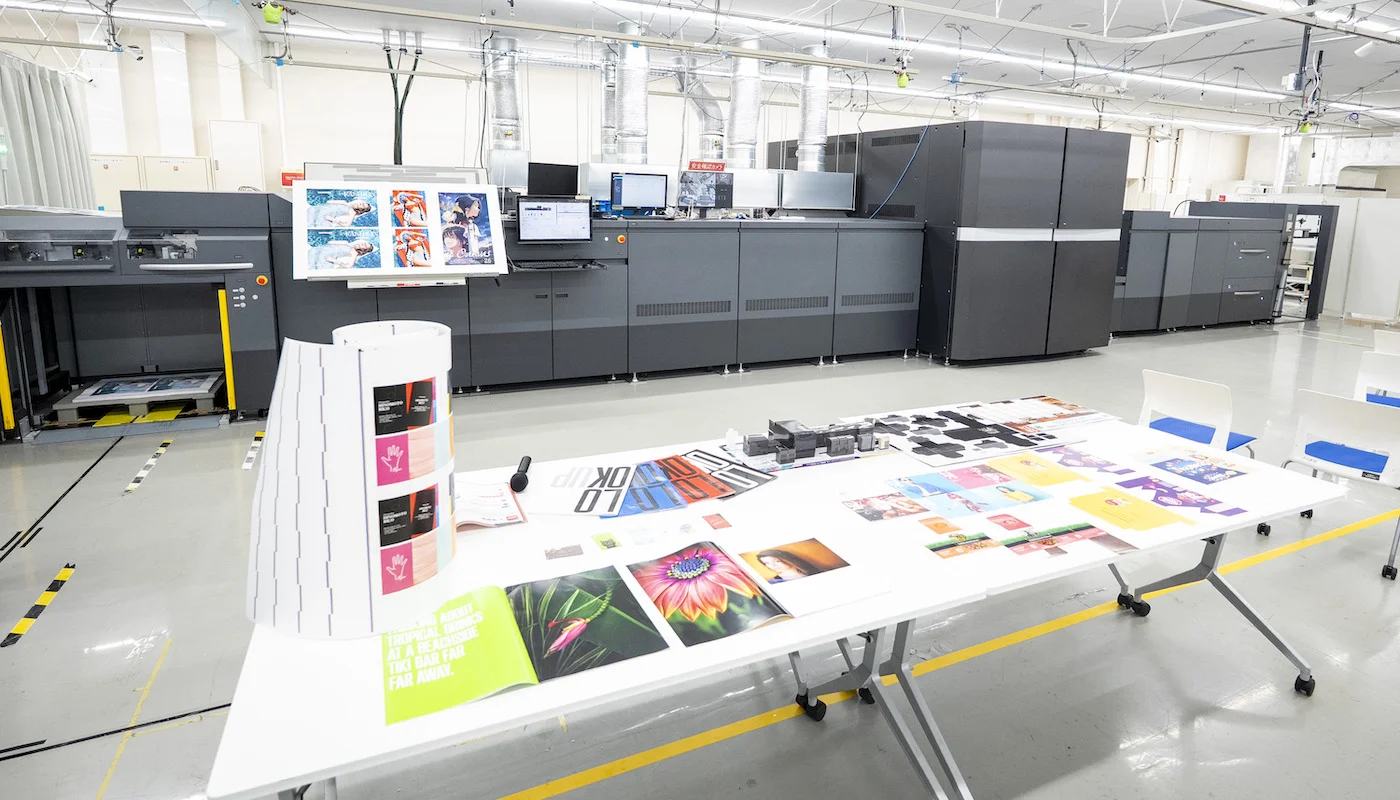
The process of book printing holds more than meets the eye. Not only do the costs involve the energy used to run the printers and other machinery, but also setting up the printing press and equipment. A print job entails lots of minutiae in transforming a pile of blank pages of paper into a fully formed book. The printer needs to first prepare the machine, adjust the colours, and then run test sheets. While the costs of this initial part of the process aren’t massive, the bigger the number of books you order means the more the costs are spread out across the numerous copies.
Basically, a MOQ is just as important a tool for you as it is for your printer. A MOQ is ultimately put in place to make your print run economically viable, ensuring that you’re not overpaying for the cost of printing a very small print run when you can be paying a similar amount of money for a slightly bigger order of printed books.
Another integral part to MOQs is the ability it grants printers to provide the quality of printing you deserve. The larger a print run, the more quality control can be focused on large batches of printed books, providing more consistent quality. MOQs also help printers judge how long a print job may take, meaning that they can stay on top of the process and provide faster turnaround times depending on how the size of the order compares to the orders they’ve printed previously.
How Do Book Printers Decide On A MOQ?
There are a few key factors at play when it comes to book printers deciding on what number of book copies their MOQ is. The higher that the costs associated with printing a book are - things like printing in colour, hardcover, paper types, the number of pages - the larger the print run, or MOQ, tends to be. Like we mentioned before, this is to help spread out the costs and provide you with an economical investment in the printing process.
For example, printing a paperback book with us at FolioFox printing is likely to cost you about as much if you were to order 10 to 20 books as it would cost to order 30 books, making FolioFox’s MOQ 30 books. However, our MOQ does differ slightly when it comes to printing a hardcover book. This is to ensure the printing is done correctly with the process overseen and quality controlled, and no one loses time or money from mistakes that have been missed until it’s too late.

How Many Books Should You Actually Print?
As much as we’d like to offer you a golden number of books to print, your actual order can vary dramatically depending on the circumstances of what you’re printing. Before you start to work out what that number will be, it’s best to always check first with your printer what their MOQ is so that you have a nifty jumping off point to help you work upwards from. You should also inquire about any increasing quantities of printed copies of your book that you’re after too, as this will give you a good idea of the cost per unit (book) and how that can work alongside your ideal budget.
Next, it’s helpful to have a think about the ways in which you’re planning to sell your book, and the ballpark number of copies you could sell in each circumstance. Will you be attending book fairs to sell your work to keen readers? Are you planning to stock your self-published book in indie bookshops? Will you set up a website or other digital means to sell your book online? Maybe you’ll store it at your home or office - how many can you feasibly store? How big is your target audience associated with the genre of book you’ve written? And will you market your book to new audiences, increasing the number of potential buyers?
All of these are important factors to take into account to work out how many books to order in your print run. You can always chat through this part of the process with us at FolioFox printing, too - we’ve printed a large variety of books for all different types of authors, so we have a fair idea of how many copies you should be ordering of your own project.
Ultimately, a minimum order quantity is a tool created for the purpose of helping both you and the printer work together in a way that can be economically beneficial and logistically seamless for the both of you.
To learn more about book printing in Melbourne, get in touch with our team at FolioFox today. We're here to help you navigate the evolving world of printing with confidence.