Published on:
•
Last Updated:
Have you ever wondered what the difference is between zine and magazine printing? While closely related in the same family of printed media, zines and magazines are more like cousins rather than siblings. They share much of the same DNA, but their histories, purpose, contents, audiences and printing logistics diverge down different paths. Printing a magazine will differ from printing a zine, and vice versa, so let’s take a look at those differences in the context of printing in Australia.
The History of Zines
The history of the zine is an interesting one. Pronounced z-ee-n, this parcel of printed content derives its name from “magazine”. But if that has you thinking that a zine is simply a smaller version of a full-blown magazine, you’d better keep reading. Big things come in small packages, and there’s much more to zines than meets the eye.
Zines have been around since at least 1775, taking the form of pamphlets or “little magazines”. It wasn’t until the 1930s that sci-fi “fan magazines” shortened their name to be affectionately known as simply “zines”. Over time, zines have been an effective and vital way for almost anyone - so long as they had paper, a pen and a copy machine of some sort - to disseminate information outside the traditional confines of the publishing world. The 1970s and ‘80s was the frontline of the zine phenomenon, with particular sectors of culture - like the punk, alternative, grassroots politics and social justice scenes - discovering a power in the DIY method of crafting zines. If you had a xerox machine, you could print as many zines as you needed for a relatively small cost.
The zine culture of today is one of immense creativity. With such few barriers between coming up with an idea, putting it to paper and printing a truckload of copies, the DIY facets of zine-making has led to the format being popularised among independent artists, designers, writers, and anyone with creative flair or something to say. Zines are inherently independent, with the medium’s history of being made by people on the fringe of culture still relevant today for creatives breathing new life into this treasured form of print media.
What Actually Is A Zine?
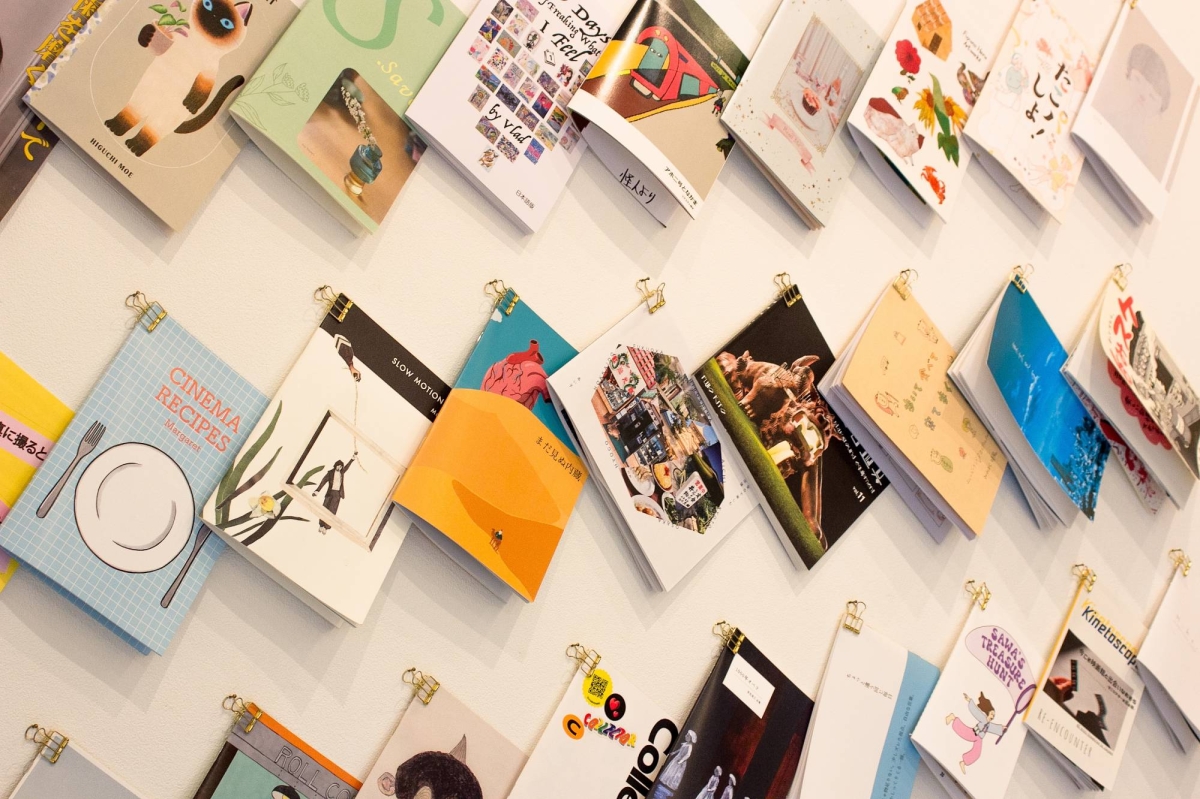
In short, a zine is whatever you want it to be. There’s no hard or fast rules about what goes into a zine or what it looks like, although there are some typical format patterns that have resulted in suggested styles and sizes if you’re looking to create your own.
The contents of zines vary immensely, depending on who is making them, who they’re making them for, and the zine maker’s craft of choice. Often community-driven publications, some zines contain short articles or poetry, others are tiny photo books or parcels of illustrations. Because of their self-published and independent nature, zines are all about experimenting with language, visuals, form and story.
How Zines and Magazines Differ In Size
One of the most notable differences at face value between a magazine and a zine will be the physical size of the project at hand. Before you even open up the product or take in the details of the cover, the characteristics of a zine compared to a magazine are typically obvious from the get-go.
Zines are usually much smaller than professionally printed magazines, normally taking the form of a pocket-sized booklet. Not just in size format, but in length as well. Zines aren’t about filling pages with an immense number of articles or images across a number of topics or ideas like magazines do - they typically focus on one idea or theme and narrow in on that with precision and creativity.
A4 and A5 are both popular sizes for zine printing in Australia. As they’re typically much shorter than a professionally published magazine, zines tend to utilise a smaller paper size for portability and affordability. It’s not uncommon to find zines that are printed even smaller than that, either - plenty of zine makers opt for A6, with some even experimenting with A7.
As for magazines, they tend to opt for A4, B Plus Format or C Format sizes. This gives the magazine creators the space to extend their expertise in writing, or complement written content with detailed images and illustrations. These sizes also exemplify professional printing, whereas zines tend to opt for a DIY look and feel in their smallness.
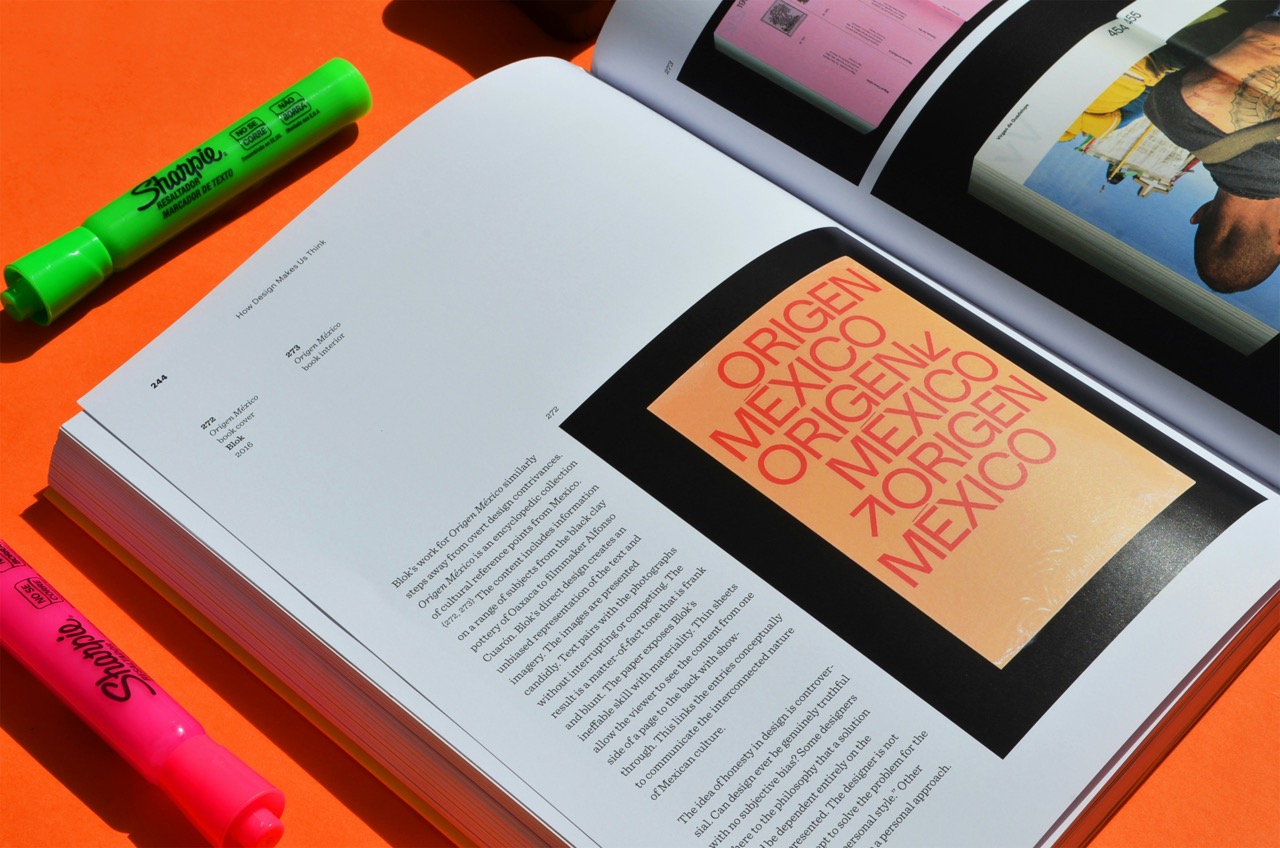
Choosing The Right Paper For a Zine vs a Magazine
To select the perfect paper for your project, you’ll want to consider how you want the publication to look and feel in your hands. You’ll also want to think about the kind of character you’re hoping your publication will emit. Is it a zine with a rustic DIY feel, or is it a sleek magazine with a professional look?
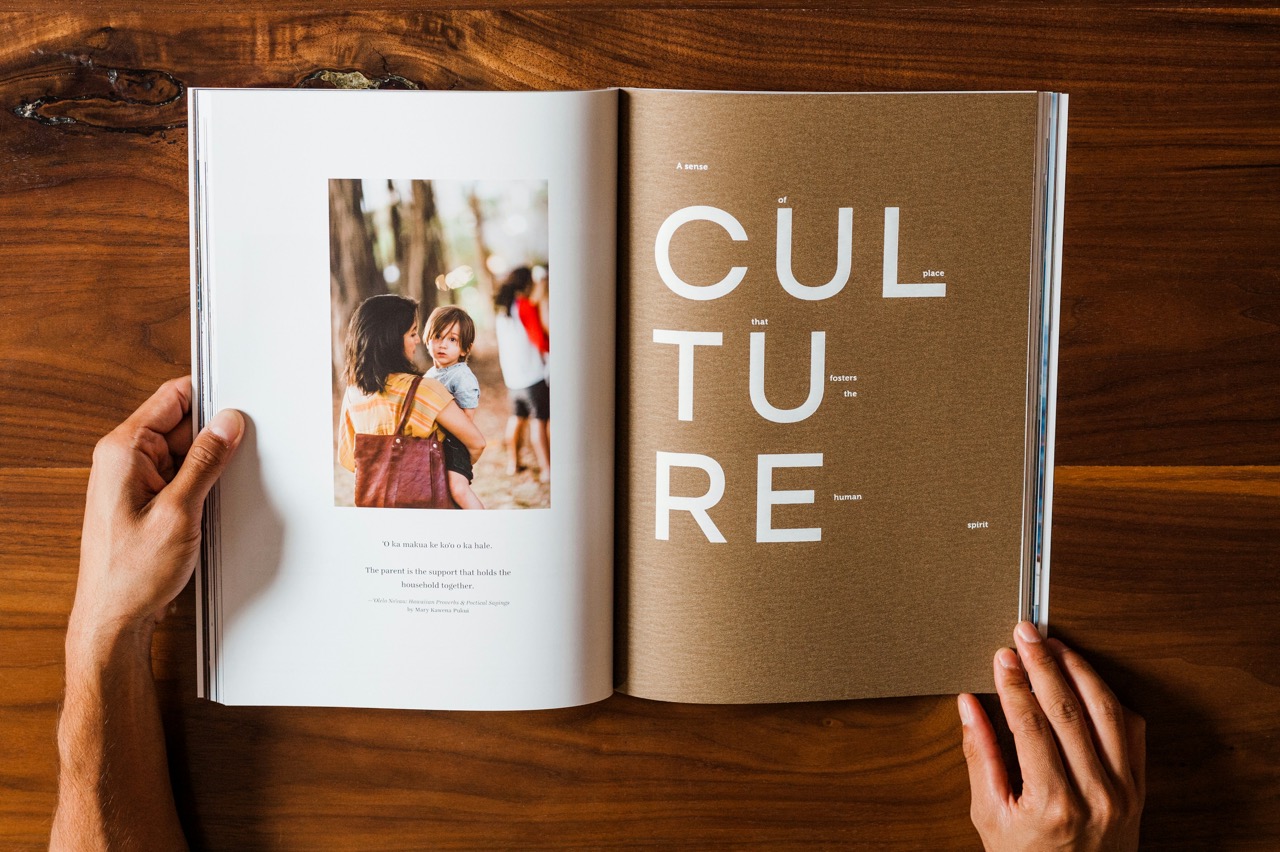
When it comes to printing magazines - whether it be an indie magazine, a lifestyle magazine or an association publication - here at FolioFox printing, we recommend choosing between either a gloss or silk paper finish. While gloss paper boasts a high-shine finish that makes colours pop and achieves a professional finish, on the other hand silk (or satin) paper is also a great choice for a semi-gloss surface that balances the benefits of both gloss and uncoated paper. As for the paper weight, it’s common for magazines to be printed on paper with a cover that is between 250 to 300gsm to exemplify that professional look, and 100 to 150gsm for the internal pages. Plus, you can add either a matte or gloss laminate finish to your magazine cover to further elevate your project.
As for printing zines, the paper choice and weight may differ slightly, depending on the style of zine you’re hoping to achieve. If you’re crafting a zine with all the professionalism and stylishness of a magazine, just maybe a bit smaller or with fewer pages, coated paper with a weight around 200gsm to 300gsm is a great option. However, if your zine is leaning more into DIY culture and is embracing the roughness and rawness of the zines of yesteryear, uncoated paper that ranges from 70gsm to 300gsm (heavier paper for the cover and lighter paper for the internal pages) is perfect for that rustic feel.
Which Professional Binding Styles Work Best For Zines And Magazines?
Once the size is selected and the paper is printed, the pages of your project have to come together somehow - this is where binding styles come into the process.
We recommend either a PUR perfect binding method or saddle-stitch binding for magazine printing. Perfect binding utilises glue to bind the pages together, working well for magazines - especially larger ones - if you’re after a compact yet durable finish. Alternatively, saddle stitch binding is a popular technique for bringing a shorter magazine together (usually up to 64 pages tends to work best), with staples along the folds of the publication meaning that the magazine can lay flat when opened.
When it comes to zine binding techniques, at FolioFox we typically recommend saddle stitch binding as the most effective method. Given that zines tend to have a much shorter page count, utilising saddle stitch binding will help set up your project professionally, keep the costs at a minimum while the quality remains high. If your zine is over 50 pages, perfect binding is a durable method to bind your project, using strong adhesive to keep your work of art as one readable package.
Whether you’re printing a magazine or a zine in Australia, you’ll find that there’s plenty of overlap between the two forms. Despite their similarities to magazines, zines exist as their own specific medium, meaning that particular printing processes and choices in construction will differ how you proceed.
Happy zine making!
To learn more about our magazine and zine printing services and how modern digital printing technology can benefit your next project, get in touch with our team today. We're here to help you navigate the evolving world of magazine and zine production with confidence.